Basics
Why Your Favorite Cannabis Strain Keeps Changing: Genotype vs Phenotype Explained
Why does the same cannabis strain look and smell different depending on who grows it? Learn the science of cannabis genotypes vs phenotypes.
By The Crushed Desk · 3mo ago · 11 min read

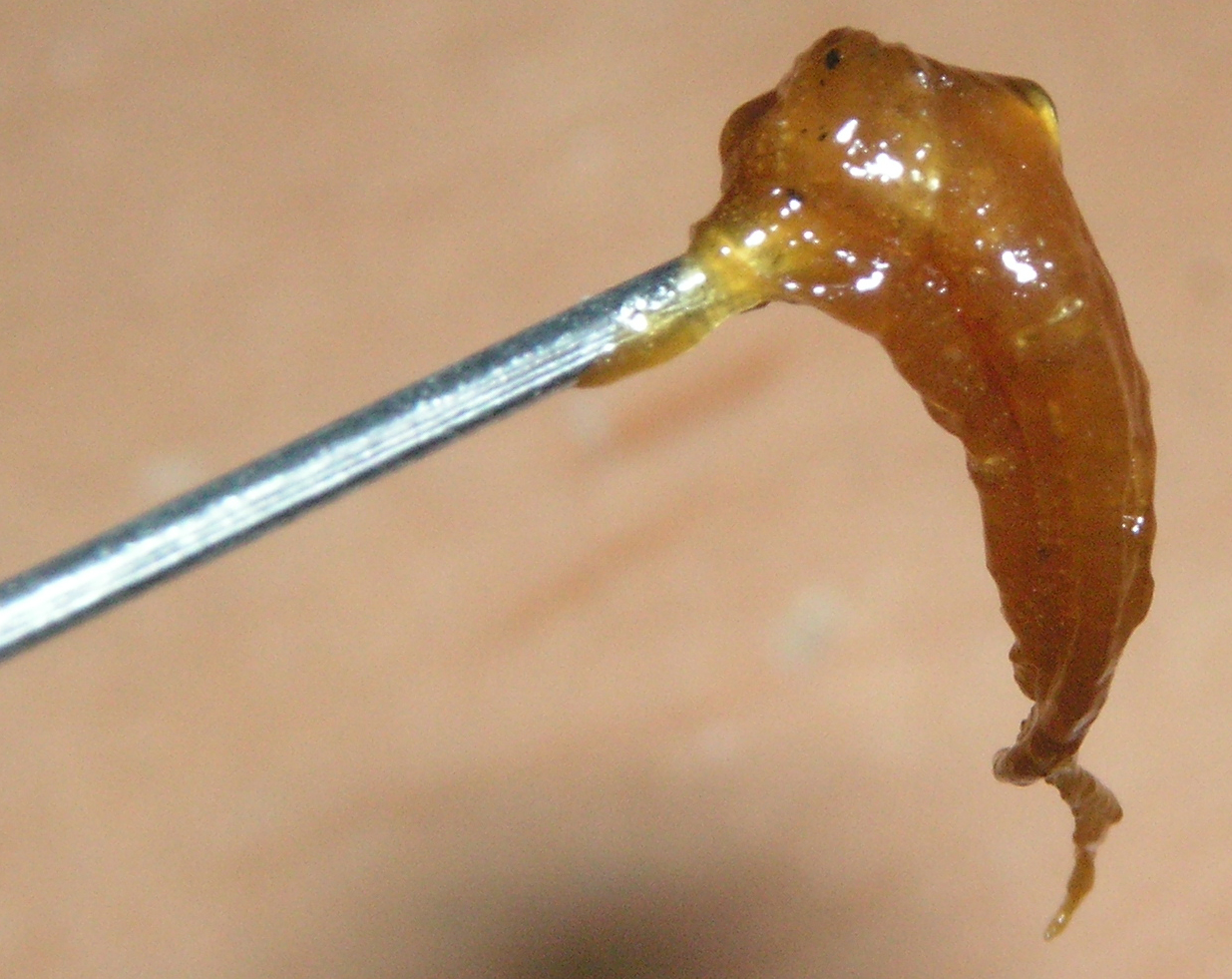
Photo: Brian Shamblen, CC BY 2.0, via Wikimedia Commons
Key takeaways
- •The reality of cannabis agronomy requires a shift in how you shop — stop chasing names and start chasing data.
- •Treat strain names as suggestions, not guarantees: two different growers producing "Pineapple Express" are almost certainly delivering two different phenotypes.
- •Follow the cultivator, not just the genetics: if you love a specific batch, note the brand or farm that grew it — they hold the mother plant and the environmental recipe to replicate that exact chemotype.
- •Read the COA: the only way to verify the phenotype you're holding is the lab data on dominant terpenes and total cannabinoid breakdown.
- •Trust your nose: if a strain doesn't smell the way you expect, the chemical phenotype has shifted, and the effects will follow the aroma, not the label.
- •Understanding genotype versus phenotype turns you from a passive consumer chasing marketing hype into an informed buyer who understands what actually drives the cannabis experience.
You find a strain you love — a sharp burst of lemon peel layered over diesel, delivering a very specific experience. You buy an eighth of the same strain from a different brand two months later, expecting a reunion. Instead, it smells like pine, the buds are fluffier, and the effects feel entirely different.
Did the dispensary sell you the wrong flower? Probably not. You've just experienced the fundamental difference between a cannabis plant's genotype and its phenotype.
The traditional cannabis market trained consumers to shop by strain names like brand names, but cannabis is an agricultural product, not a manufactured widget. A plant's final chemical and physical expression is dictated by an ongoing dialogue between its DNA and its environment.
A genotype is the complete genetic constitution of an organism — the raw biological blueprint inherited from the parent plants. When a male cannabis plant pollinates a female, the resulting seeds contain a unique combination of DNA; even seeds from the same cross have distinct genotypes, much like human siblings.
A genotype sets the absolute boundaries for what a plant can do: its maximum potential THC or CBD production, the specific terpenes it's capable of synthesizing, its structural tendencies, and its resistance to pests or stress. But potential is just potential — a plant's genetic ceiling only gets reached under the right environment.
If the genotype is the blueprint, the phenotype is the actual building that gets constructed — the observable physical and chemical expression that results from the genotype interacting with the environment: light, temperature, humidity, soil, watering, pruning, and harvest timing.
Because cannabis is highly sensitive and adaptable, even minor environmental shifts radically alter its phenotype. Two genetically identical clones — one grown outdoors in California, one grown indoors in Michigan — will express different phenotypes: dense, purple, linalool-heavy buds indoors versus looser, greener, pinene-and-myrcene-leaning buds outdoors.
Agronomists simplify this as Genotype + Environment = Phenotype. It's why the traditional strain-name system is fundamentally flawed — a name like "Sour Diesel" tells you the genotype (if authentic), but nothing about the environment it grew in, and the phenotype is what you actually consume.
Genotype is static and invisible — inherited or cloned, requiring DNA sequencing to confirm, and determines only potential traits. Phenotype is dynamic and highly observable — shaped by light, nutrients, stress, and harvest timing, and determines the actualized THC percentage, aroma, and bud density you actually experience.
When breeders create a new genetic cross, they plant hundreds of resulting seeds. Because each has a unique genotype, they express different phenotypes even grown in the same room under the same lights — some tall, some bushy, some fruity, some fuel-scented, some mold-resistant. Cultivators "pheno-hunt" through the batch for the one winning phenotype, then keep it alive as a mother plant and clone it to replicate that exact result crop after crop. That's why you see strains labeled Gelato #33 or MAC 1 — the number denotes the specific phenotype the breeder selected.
Temperature drives the most visually obvious phenotypic shift: many genotypes carry the potential to produce purple, blue, or red anthocyanin pigments, usually masked by green chlorophyll. A significant cold-night drop late in flowering breaks down the chlorophyll and lets the anthocyanins dominate — the genotype always had the capability, but the temperature shift dictated the phenotype.
Terpenes evolved as a plant defense mechanism, not to get humans high. Increasing UV-B light can stress a plant just enough to trigger a defensive response, boosting trichome density and terpene production — the same clone under standard LEDs versus UV-B-supplemented lights expresses a very different chemical phenotype.
Harvest timing is perhaps the ultimate environmental variable: an early harvest yields clear trichomes and a more uplifting, cerebral effect from the specific cannabinoid ratios present; waiting an extra week or two turns trichomes amber as THC degrades into CBN, producing a heavier, more sedating phenotype from the exact same genotype.
While cultivators care about physical phenotypes like yield and mold resistance, as a consumer your real concern is the chemotype — the specific cannabinoid and terpene ratio that actually makes it into the jar. That's what you're really buying, and it's why the indica/sativa classification system — based on leaf shape, not chemistry — is falling out of favor among scientists.
If you want consistency in your cannabis experience, you have to look past the genotype (the strain name) and start shopping for the chemotype.
Strains in this story
This is general educational information, not medical advice. Effects vary by person, product, and dose — check local law, and talk to a doctor or licensed budtender for guidance specific to you.