Basics
Cannabis Remediation: What Happens When Flower Fails Microbial Testing?
Explore the science of cannabis remediation. Learn how cultivators decontaminate flower, the regulatory landscape, and how remediation impacts quality.
By The Crushed Desk · 3mo ago · 9 min read

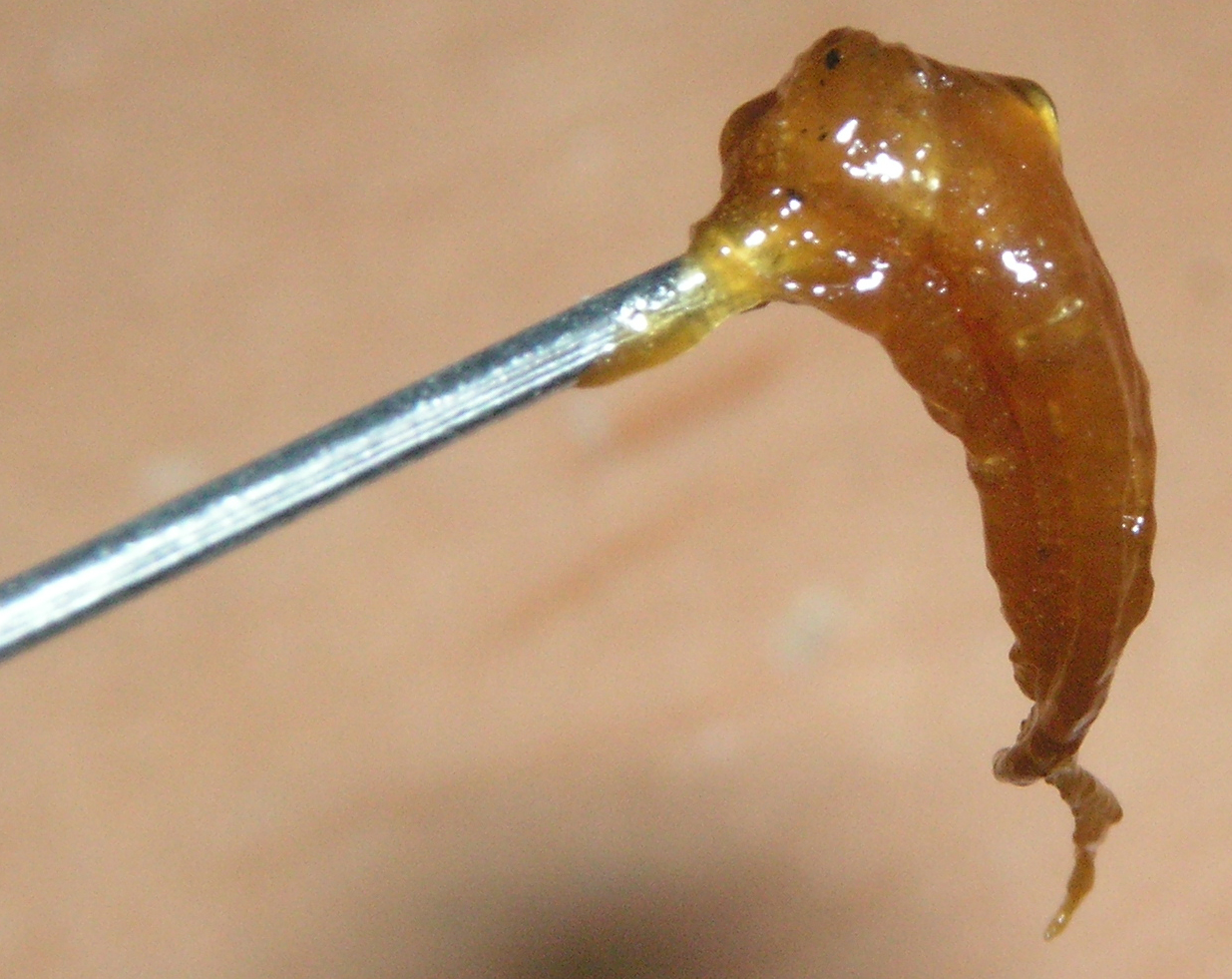
Photo: Cgcizek, CC BY-SA 4.0, via Wikimedia Commons
Key takeaways
- •Understanding remediation helps you make informed decisions at the counter — for medical patients or the immunocompromised, the stringent testing standards and remediation technologies enforcing them are vital safeguards.
- •If you're paying premium prices for craft cannabis, you're paying for the undisturbed integrity of the trichome, not just a clean lab result.
- •Request the COA: a low terpene percentage on supposedly premium indoor flower can be a red flag for thermal or oxidative damage, even if remediation itself isn't disclosed.
- •Know your state's labeling requirements, and lean on brands that transparently publish their SOPs and commit to no-remediation practices where disclosure isn't mandated.
- •Trust your senses: ozone and thermal remediation often leave flower smelling stale or stripped of its aromatics, even though X-ray remediation is virtually undetectable.
- •Passing a compliance test is a baseline for safety, not a guarantee of quality.
When a commercial cannabis harvest tests positive for Aspergillus or exceeds state limits for total yeast and mold, the crop isn't necessarily sent to the incinerator. In many regulated markets, cultivators are legally permitted to decontaminate the failed batch, retest it, and sell it on dispensary shelves — a post-harvest salvage operation known as cannabis remediation.
For consumers, remediation often sparks anxiety — "moldy weed that got zapped" sounds unappealing. But the reality of agricultural decontamination is scientific, heavily regulated, and standard practice in many commercial crops, from almonds to spices.
Cannabis is grown in environments rich with biological activity, whether indoors, in a greenhouse, or under the sun, and is constantly exposed to fungal spores and bacteria. Regulators mandate microbial testing to catch pathogens that pose respiratory or gastrointestinal risk, generally screening two categories.
Zero-tolerance pathogens include Aspergillus — a mold genus that can cause pulmonary aspergillosis, especially dangerous since its spores survive combustion — and Salmonella or Shiga-toxin producing E. coli, typically introduced via contaminated water or poor handling.
Total Yeast and Mold Count (TYMC) is an aggregate measurement of all fungal growth, with most states setting a threshold around 10,000 to 100,000 CFU/g. Exceeding it signals poor environmental controls and increases the odds that opportunistic pathogens are present.
When a batch fails, a cultivator generally has three options: destroy it, extract it with hydrocarbon solvents that strip away the biological material, or remediate the raw flower to pass a retest.
Ozone (O3) is a highly reactive gas that oxidizes microbial cell walls, but as a powerful oxidizer it doesn't discriminate perfectly — prolonged exposure can also oxidize terpenes and degrade THC into CBN.
Radio-frequency treatment oscillates water molecules inside microbes, generating localized heat that structurally compromises pathogens. It's fast and penetrates dense colas well, but uneven calibration can inadvertently heat trichome heads and volatilize terpenes.
Photonic decontamination (X-ray or gamma) uses ionizing radiation to destroy microbial DNA rather than relying on heat or oxidation, making it highly effective against deeply embedded Aspergillus spores with minimal immediate impact on the cannabinoid profile — and it doesn't make the product radioactive or leave chemical residue.
Ozone offers moderate-to-high effectiveness against Aspergillus but carries the highest risk of terpene and THC degradation. Radio-frequency is highly effective with moderate terpene risk from localized heating. Photonic/X-ray is very effective with the lowest immediate impact, preserving physical structure best.
Remediation rules are fragmented across state lines. Nevada requires remediated flower to be explicitly labeled as such, while in states like California or Michigan a product can fail, get X-rayed, pass a retest, and be sold as premium flower with no disclosure required on the jar.
The core criticism isn't that remediation technology is unsafe — it's that it masks poor cultivation practices. Killing living mold spores lets a batch pass compliance testing, but it doesn't remove dead bio-mass or the mycotoxins certain molds may have already produced, and most state panels don't test raw flower for a comprehensive mycotoxin list.
Remediation also physically alters the product: the frequencies and gasses used will invariably degrade volatile monoterpenes, often leaving remediated flower with a muted, generic "hay-like" smell.
Proponents argue zero-tolerance Aspergillus testing is overly punitive for an agricultural crop grown at commercial scale, and that decontamination prevents millions of dollars of otherwise usable product from being destroyed over trace environmental spores.
This is general educational information, not medical advice. Effects vary by person, product, and dose — check local law, and talk to a doctor or licensed budtender for guidance specific to you.