Basics
Cannabis Shelf Life Science: THC Degradation and CBN Conversion
Learn the science behind cannabis shelf life, how THC degrades into CBN over time, and what environmental factors accelerate cannabinoid oxidation.
By The Crushed Desk · 3mo ago · 9 min read

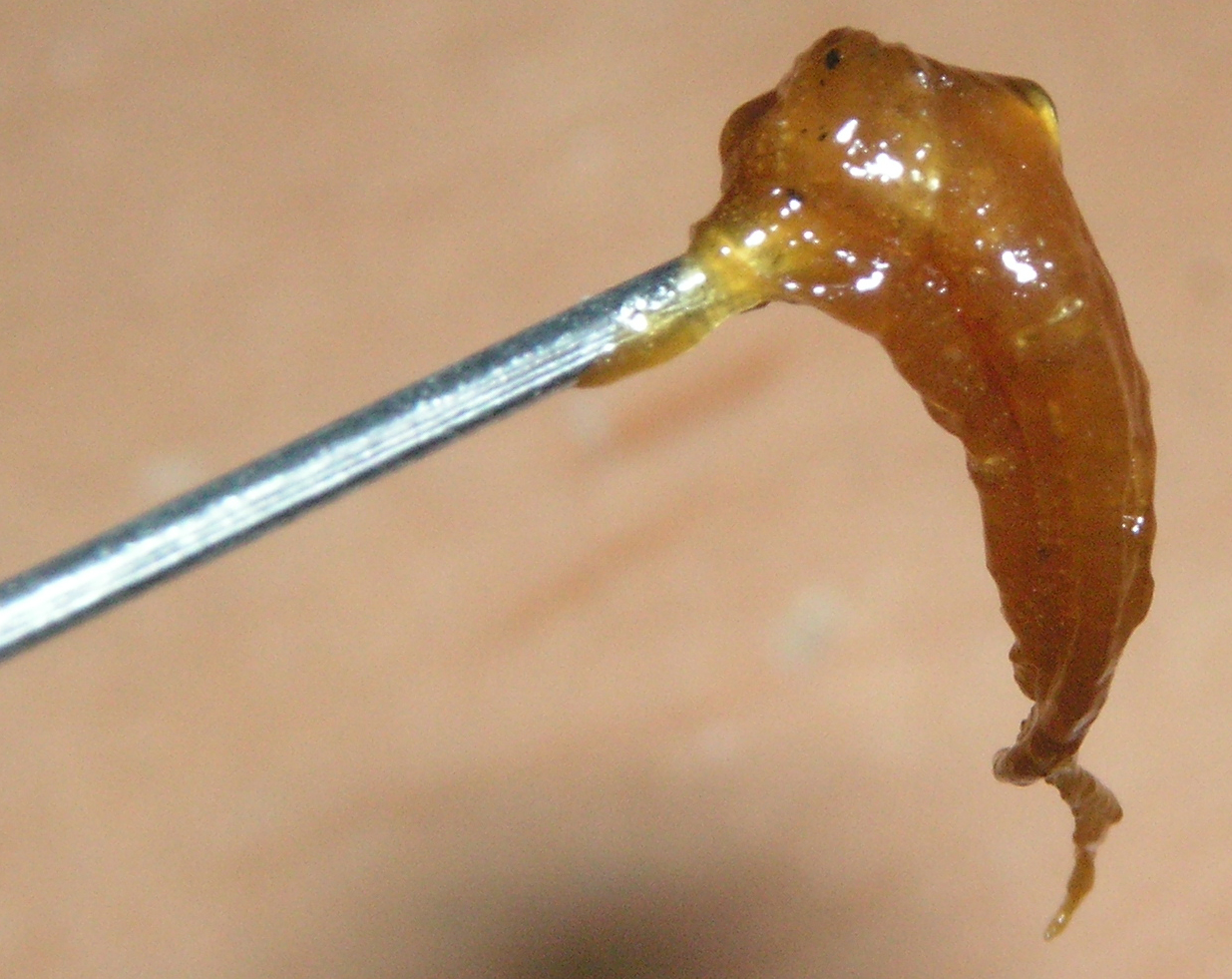
Photo: Mishimoto, CC BY 2.0, via Wikimedia Commons
Key takeaways
- •Old cannabis isn't toxic — unless it's grown mold from improper moisture management, it's perfectly safe to consume, just less potent and different in character.
- •Expect a heavier, more lethargic effect from a year-old stash, driven by diminished THC, elevated CBN, and a loss of uplifting monoterpenes.
- •The small investment in airtight glass jars and humidity packs pays real dividends if you buy in bulk or consume slowly.
- •A harvest date alone means little without knowing how the product was stored — well-cured, properly stored six-month-old flower can outperform two-month-old flower left in a sunny, warm display case.
Have you ever found a forgotten jar of cannabis months or years old and wondered if it's still "good"? The answer isn't printed on an expiration date — it's written in chemistry.
Unlike canned goods, dried cannabis flower doesn't suddenly go bad on a specific date, provided it's kept free of mold. Instead it undergoes slow, continuous chemical degradation: cannabinoids and terpenes break down, evaporate, or convert into different molecules over time.
In the living plant, cannabinoids form primarily as acids — THCA, non-intoxicating on its own. Once harvested, dried, and cured, THC faces a constant battle against the environment: through oxidation, it slowly loses hydrogen atoms and converts into an entirely different cannabinoid, Cannabinol (CBN). This conversion is inevitable, but its rate is dictated by storage conditions.
Light, especially UV light, is arguably the single most destructive force for cannabinoids — even a few hours of direct sunlight can meaningfully reduce content, which is why quality cannabis ships in opaque containers or dark glass rather than clear jars.
Oxidation requires oxygen, so flower stored in non-airtight containers has a constant supply available to push THC toward CBN. Heat acts as a catalyst, accelerating the reaction rate — a hot car trunk or a spot near a radiator speeds things up considerably. Moisture doesn't directly drive the THC-to-CBN conversion, but flower above 65% relative humidity breeds mold, while flower under 55% desiccates trichomes and accelerates terpene loss.
The most frequently cited baseline data comes from a long-term UNODC study tracking THC content in flower stored at room temperature over four years: roughly 16.6% of initial THC lost after one year, 26.8% after two years, 34.5% after three, and 41.4% after four. A strain testing at 20% THC on cure day would test around 16.6% after a year and roughly 11.7% after four — and high heat, light, or oxygen exposure would accelerate all of these timelines.
As THC degrades, much of it converts to CBN, and older cannabis is often described as heavier and more sedating as a result. But the pharmacology is more nuanced than "CBN equals sedation": CBN binds the same CB1 receptors as THC but with far lower affinity, generally considered only 10% to 25% as psychoactive, and some early studies found isolated CBN no more sleep-inducing than a placebo.
The heavier feeling of old cannabis likely comes from the combination of factors: less THC to drive stimulating, uplifting effects; somewhat more CBN layering in a heavier sensation alongside THC; and critically, a terpene shift — bright, uplifting monoterpenes like myrcene, pinene, and limonene evaporate first, leaving a profile dominated by heavier, earthier sesquiterpenes like caryophyllene and humulene. That combination of lower potency, fewer uplifting aromatics, and more degraded byproducts is what creates the characteristic "couch-lock" feeling of old flower, alongside a generic "hay" smell as the specific aromatics fade.
You can't stop the clock, but proper storage drastically slows the rate of degradation. Use airtight glass or stainless steel — not plastic bags or silicone. Store in a cool, dark place away from appliances or sunlit windows. Use two-way humidity packs calibrated to 58% or 62% RH to preserve trichome integrity and slow terpene evaporation. And match the container size to your stash, since a small amount of flower in a large jar traps excess oxygen that accelerates oxidation.
This is general educational information, not medical advice. Effects vary by person, product, and dose — check local law, and talk to a doctor or licensed budtender for guidance specific to you.