Basics
Cannabis Trichome Ripening: The Science of Harvest Timing and Cannabinoid Maturation
Dispensary shorthand says cloudy trichomes mean a clear-headed high and amber means a couch-lock body high — the real biochemistry inside each trichome head is more specific than that, and it's exactly what harvest timing controls.
By The Crushed Desk · 3mo ago · 9 min read
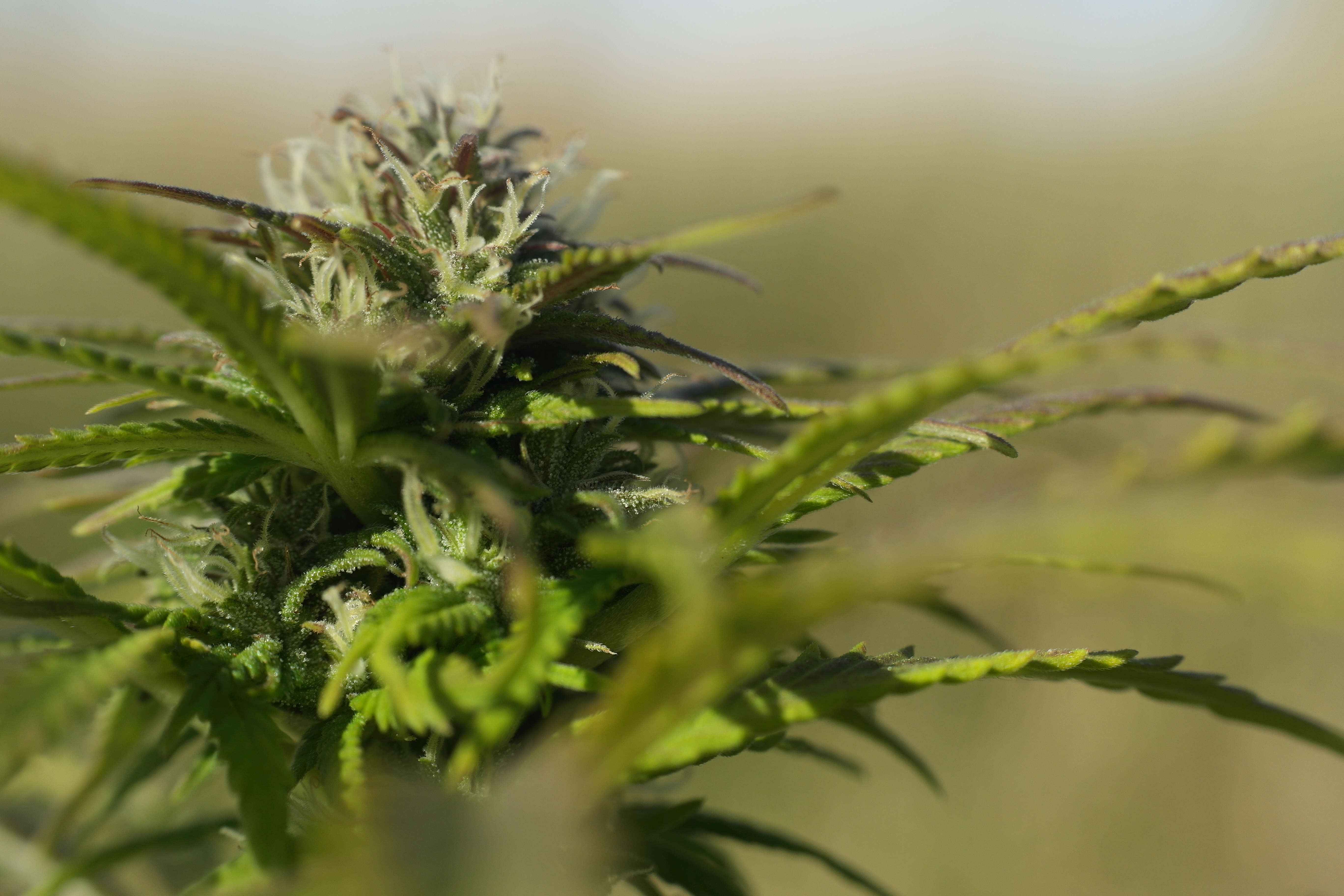
Photo: Skalle-Per Hedenhös, CC BY-SA 4.0, via Wikimedia Commons
Key takeaways
- •You rarely get to inspect trichomes under a microscope before buying, but understanding ripening science helps you decode labels and evaluate purchases after the fact.
- •Look beyond THC percentage: over-matured, degraded cannabis can still test moderately high for THC while delivering a flat, uninspiring experience from volatile terpene loss and rising CBN.
- •Use a smartphone macro lens or a cheap jeweler's loupe at home: overwhelmingly clear heads mean a rushed harvest; heavily amber, shriveled, or missing heads mean aged or roughly handled product. You want a dense, undisturbed forest of intact, milky-white glandular heads.
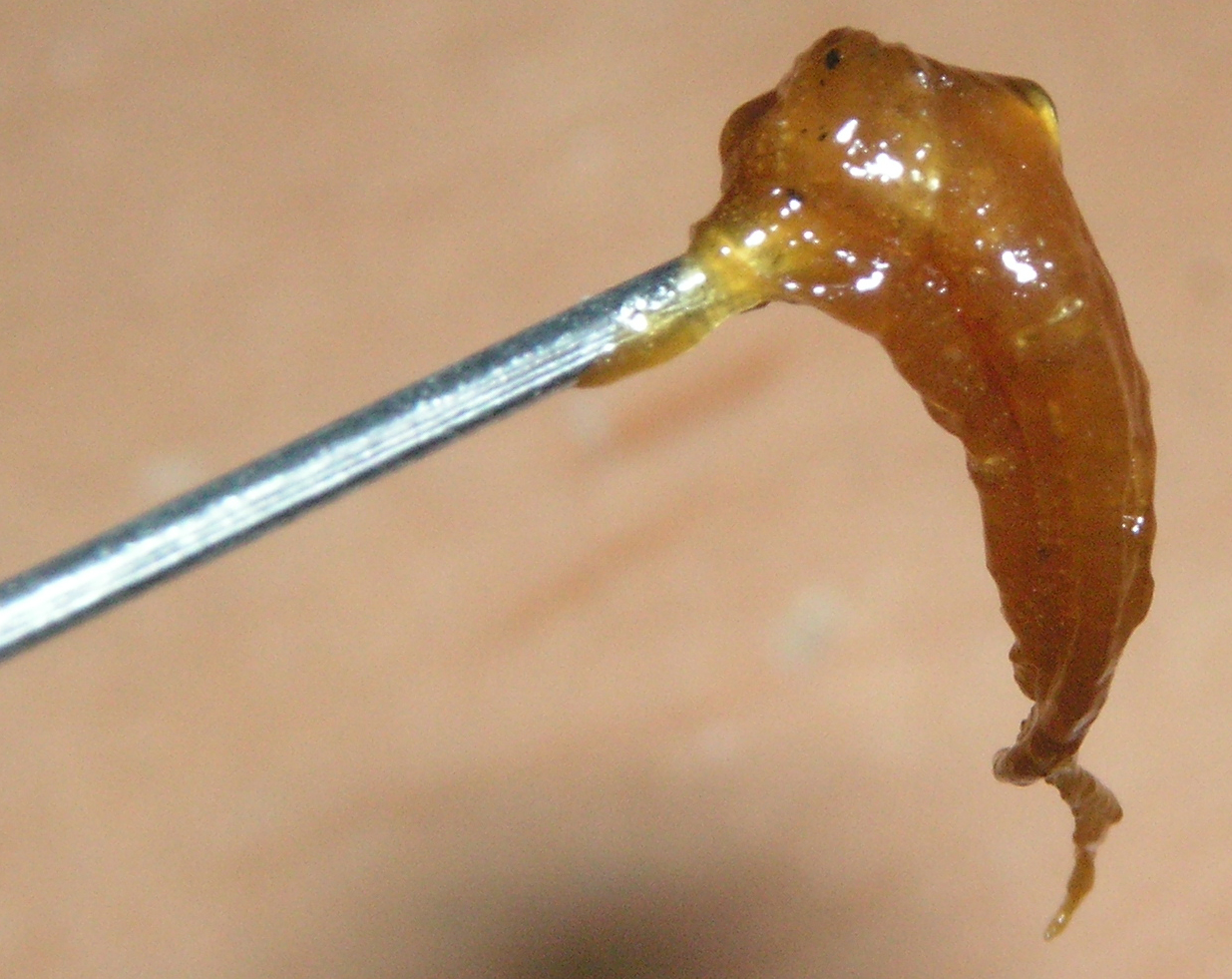
- •For solventless extracts, a lighter, whiter, or pale-yellow color generally indicates a harvest pulled at peak cloudiness with minimal oxidation — darker color often points to older starting material or heat exposure.
- •If a COA is available, check CBN on fresh flower — anything above 0.5% to 1% suggests a late harvest or heat/stress exposure prior to testing.
- •Harvest timing is the last variable a cultivator controls before the cure begins, and it dictates whether a genetic profile expresses with vibrant clarity or sluggish degradation.
You've probably heard the dispensary adage: cloudy trichomes deliver an uplifting, cerebral experience, while amber trichomes produce heavy, sedative effects. It's a useful shorthand, but it oversimplifies the dynamic biochemical factory operating inside each glandular capitate-stalked trichome.
Harvest timing isn't a subjective art — it's a precise biochemical window dictated by the peak expression of synthase enzymes. Understanding how cannabinoids and terpenes evolve during the final weeks of flowering separates intentionally crafted cannabis from generic commercial biomass, and reframes how you read a Certificate of Analysis away from binary sativa/indica assumptions.
Capitate-stalked trichomes — the mushroom-shaped glands housing most of the plant's resin — have a glandular head whose secretory disc cells biosynthesize precursor molecules that combine into cannabigerolic acid (CBGA), the foundational parent cannabinoid. As the plant matures, enzymes like THCA synthase, CBDA synthase, and CBCA synthase convert CBGA into the major acidic cannabinoids. The visible shift from clear to cloudy to amber trichomes is the macroscopic evidence of that microscopic chemistry playing out in real time.
In early-to-mid flowering, trichomes appear clear and glass-like: secretory cells are churning out CBGA, but conversion to THCA hasn't peaked, and the waxy protective cuticle hasn't fully hardened. Flower harvested at this stage tends to be lower in potency with fragile, easily damaged resin heads — premature unless a cultivator is deliberately chasing early-stage terpene fractions.
As flowering nears its end, trichomes turn opaque and milky white — physical evidence that the secretory vesicles are engorged with resin and CBGA-to-THCA conversion has hit its biochemical peak. The terpene profile is fully expressed here too, balancing light monoterpenes with heavier, more stable sesquiterpenes. Most commercial and craft cultivators target harvest when 70% to 90% of trichomes are cloudy — the sweet spot of potency, flavor complexity, and structural stability.
Left past peak maturity, or under environmental stress, trichome heads turn amber as senescence sets in: synthase enzymes denature, THCA production stops, and existing THCA slowly oxidizes into cannabinolic acid, which becomes CBN once the flower is heated. CBN is mildly psychoactive and closely associated with the classic couch-lock feeling, while volatile terpenes evaporate or oxidize toward earthier, muskier, hash-like notes as the bright citrus and pine top notes fade. The conventional wisdom about amber trichomes and sedation is accurate — it's just tied to that rising CBN concentration and shifting terpene ratio, not some change in THC itself.
There's no single perfect harvest day industry-wide — timing is a strategic call based on the intended product and desired effect. Extractors making live resin or live rosin target the exact onset of peak cloudiness with near-zero amber, since aged, fragile amber heads rupture more easily during the ice-water agitation used for bubble hash, yielding less and duller-colored concentrate. Cultivators targeting heavy nighttime effects may intentionally delay harvest to let 20% to 30% of trichomes turn amber, deliberately raising natural CBN content — pushing the harvest date back two weeks can turn a naturally energizing cultivar noticeably more sedating.
It's also worth separating true genetic ripening from stress-induced oxidation: intense UV exposure, canopy heat, or rough handling can prematurely amber trichomes before they've actually reached peak density, a phenomenon called false ripening. That amber coloration looks the same at a glance, but the underlying vesicle lacks the resin payload and terpene complexity of a naturally ripened trichome — a high concentration of amber trichomes paired with shriveled stalks or low overall resin density under magnification usually points to stress rather than intentional late harvest.
This is general educational information, not medical advice. Effects vary by person, product, and dose — check local law, and talk to a doctor or licensed budtender for guidance specific to you.