Consumption
The Science of Dry Herb Vaporization: A Temperature Guide to Terpenes and THC
Learn how precise temperature control alters the chemical expression of your cannabis. Maximize terpenes, target specific cannabinoids, and avoid combustion.
By The Crushed Desk · 3mo ago · 8 min read
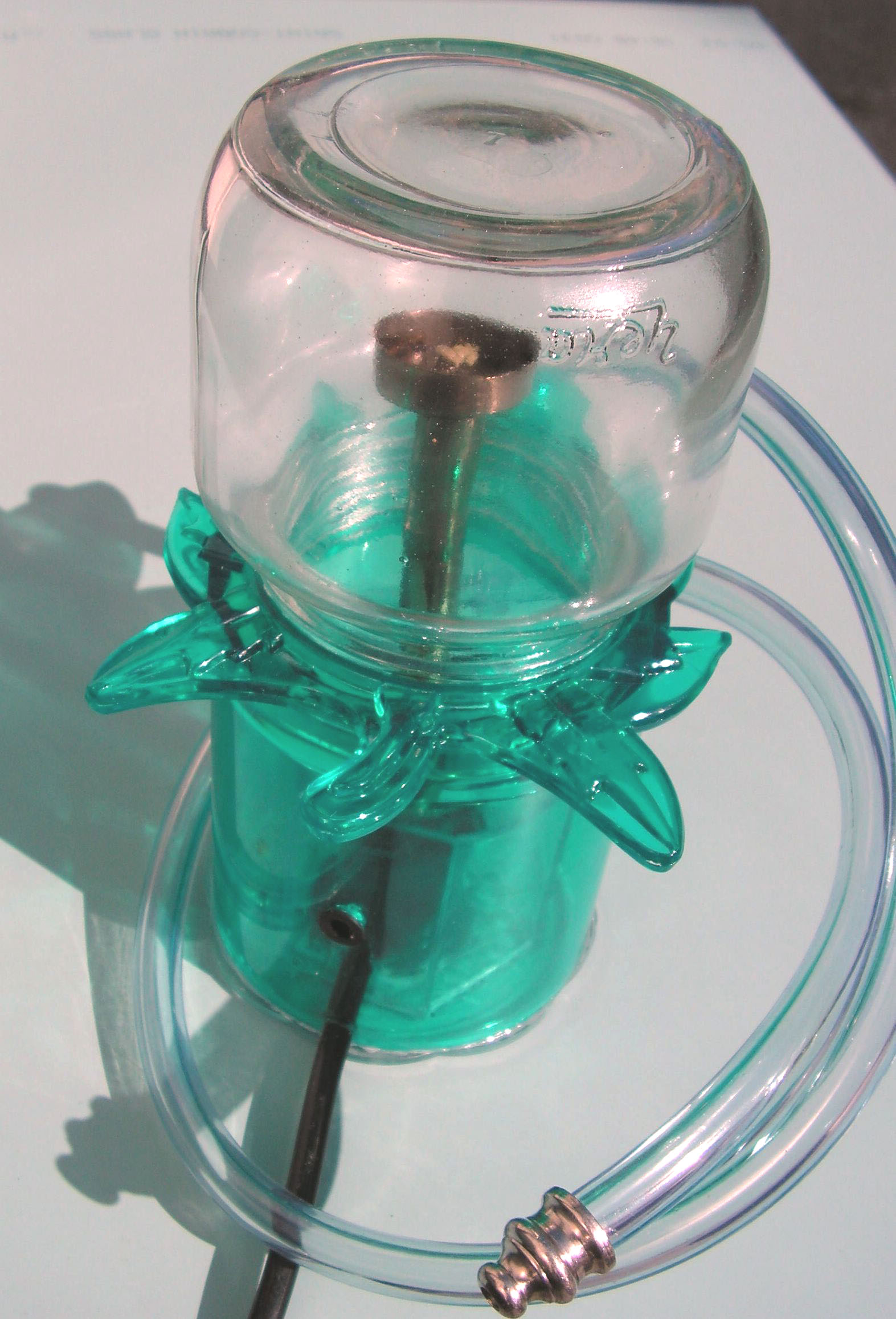
Photo: Jensbn, Public domain, via Wikimedia Commons
Key takeaways
- •Dry herb vaporization turns cannabis consumption from a blunt instrument into a precision tool, once you understand how heat interacts with specific compounds.
- •Try temperature stepping: start a session around 340°F for raw flavor and volatile terpenes, step up to 370°F for a balanced high, and finish around 400°F to extract the remaining heavy cannabinoids.
- •Match temperature to the cultivar: a strain you bought for its pinene and limonene content will lose those terpenes (and pick up sedating CBN) if you vape it at 420°F.
- •Save your already-vaped bud (AVB) — it's already decarboxylated and works well in homemade edibles or infused oils.
- •If you want to actually explore a cultivar's chemotype, invest in a device with precise, single-degree digital temperature control rather than simple low/medium/high presets.
Combustion — smoking via a joint, pipe, or bong — exposes cannabis to temperatures exceeding 1,000°F at the cherry. That extreme heat delivers THC, but it also produces smoke laced with tar, benzene, toluene, and carbon monoxide, and it instantly incinerates the most volatile terpenes, stripping nuance from flavor and effect.
Vaporization relies on phase transition instead: heating flower just enough to convert the resin in its trichomes into an inhalable vapor, without crossing the combustion threshold. That preserves far more of the plant's cannabinoids and terpenes intact — research indicates vaporization can convert up to 46% of available THC into vapor, versus less than 25% from a standard joint, where the rest is lost to sidestream smoke or pyrolytic destruction.
Cannabis packs over 100 cannabinoids and 150 terpenes, each with its own boiling point. Once a vaporizer reaches a given temperature, every compound with a boiling point at or below that threshold begins to vaporize — which means you can effectively dial in the experience you want by targeting specific compounds. Alpha-pinene boils around 311°F, THC around 315°F, beta-caryophyllene around 320°F, CBD between 320°F and 356°F, myrcene around 334°F, limonene around 349°F, CBN around 365°F, linalool around 388°F, and THCV around 428°F.
In the low-temperature zone (roughly up to 335°F), you're mostly extracting the lightest monoterpenes — pinene, caryophyllene, limonene — plus a moderate dose of THC and CBD, while heavier compounds like linalool and CBN stay largely locked in the plant. The vapor is thin and intensely flavorful, and the effect leans toward a clear, functional, energetic "head high" — good for daytime use, first-time consumers gauging tolerance, or evaluating a new cultivar's terpene profile.
Push past roughly 356°F into the mid-temperature zone and you access most of the plant's THC, CBD, and terpenes, edging toward CBN's boiling point. This is where the entourage effect is most pronounced — a dense, balanced vapor delivering both cerebral and physical effects, suited to afternoon or evening use and experiencing a cultivar's full intended chemotype.
In the high-temperature zone (up to roughly 410°F), you're extracting nearly everything, including heavier compounds like CBN and THCV, though many volatile low-temp terpenes degrade or flash off along the way, muting some flavor complexity. The vapor is thick and can be harsh, and the heavy dose of THC alongside sedating CBN tends to produce deeply physical, intoxicating effects — well suited to late-night use or maximizing raw cannabinoid extraction.
Past about 430°F you're in risky territory: around 450°F the material starts to scorch and eventually ignite, destroying active compounds while kicking off the same pyrolytic process that creates benzene and other toxic byproducts. If your vapor tastes like burnt popcorn or campfire smoke, or your already-vaped bud is black and ashy instead of toasted brown, your temperature is set too high.
This is general educational information, not medical advice. Effects vary by person, product, and dose — check local law, and talk to a doctor or licensed budtender for guidance specific to you.