Consumption
How Long Do Edibles Take to Kick In (and Why It Varies So Much)
Edibles can take anywhere from 20 minutes to 3 hours to hit. Here's why the timing is so inconsistent, and how to avoid the classic mistake of redosing before the first dose has landed.
By The Crushed Desk · 3mo ago · 4 min read

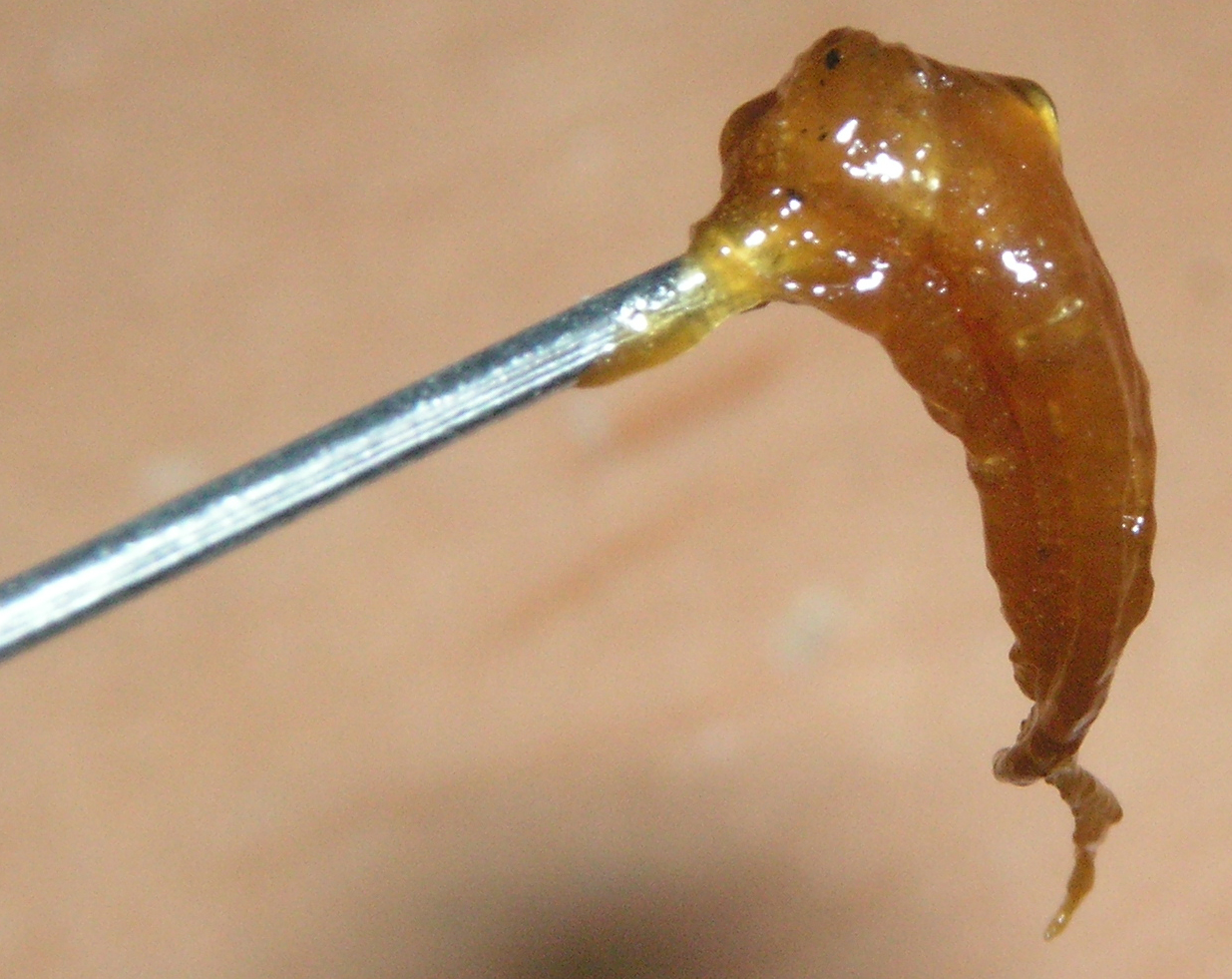
Photo: UnifiedFunctionality, CC BY-SA 4.0, via Wikimedia Commons
Key takeaways
- •Edible onset commonly ranges from 30 minutes to 2 hours, but can run faster or slower depending on metabolism, body weight, stomach contents, and the product's formulation.
- •Eating on an empty stomach generally speeds onset but can also intensify the peak; eating after a meal slows onset but tends to soften the peak.
- •Fast-acting or nano-emulsified edibles use technology to break THC into smaller particles that absorb faster, sometimes cutting onset to as little as 15-20 minutes.
- •The single most common edible mistake is redosing too early — waiting at least 2 full hours before deciding a dose 'didn't work' avoids the most frequent cause of accidental overconsumption.
Unlike smoking or vaping, where effects show up within minutes, edibles have to pass through digestion before they reach the bloodstream — and that trip has a lot of variables. THC from an edible is absorbed in the gut and processed by the liver before it circulates through the body, and the timing of that process depends on your individual metabolism, body weight, how much and what you've recently eaten, and the specific formulation of the product itself. That's why the same 10mg gummy can hit one person in 30 minutes and take another person close to two hours.
Stomach contents matter more than most people expect. Taking an edible on an empty stomach generally speeds up absorption — sometimes noticeably — but can also make the peak effect feel stronger and hit more abruptly. Eating a meal first (especially one with some fat, since THC is fat-soluble) tends to slow the onset down but can also soften and extend the overall curve. Neither approach is wrong; it's a trade-off between speed and intensity worth knowing about before you decide when to take an edible relative to a meal.
Not all edibles are formulated the same way. Standard edibles rely on your digestive system to break down THC-infused fat or oil at its own pace. Newer "fast-acting" or nano-emulsified products use processing techniques that break THC into much smaller particles before infusion, which can absorb faster — sometimes bringing onset down to 15-20 minutes, closer to an inhaled method — and some people also report a shorter overall duration as a result. If quick onset matters to you, checking whether a product is marketed as nano or fast-acting is worth doing before you buy.
The most important practical rule with edibles has nothing to do with the product and everything to do with patience: give any edible at least 2 hours before deciding it hasn't worked and taking more. The most common story behind an uncomfortable edible experience isn't a bad batch — it's someone who didn't feel anything after 45 minutes, took a second dose, and then had both doses hit at once an hour later. If you're trying a new product or a new brand, start with a low dose (many state guides point to 2.5-5mg THC as a conservative starting point for someone with low tolerance), and treat the wait as part of the dose.
This is general educational information, not medical advice. Effects vary by person, product, and dose — check local law, and talk to a doctor or licensed budtender for guidance specific to you.