Consumption
Edibles vs. Inhalation: The Science of Cannabis Bioavailability and Onset
Understand the science of cannabis absorption. Learn how edibles and inhalation differ in bioavailability, onset times, and 11-OH-THC conversion.
By The Crushed Desk · 3mo ago · 7 min read

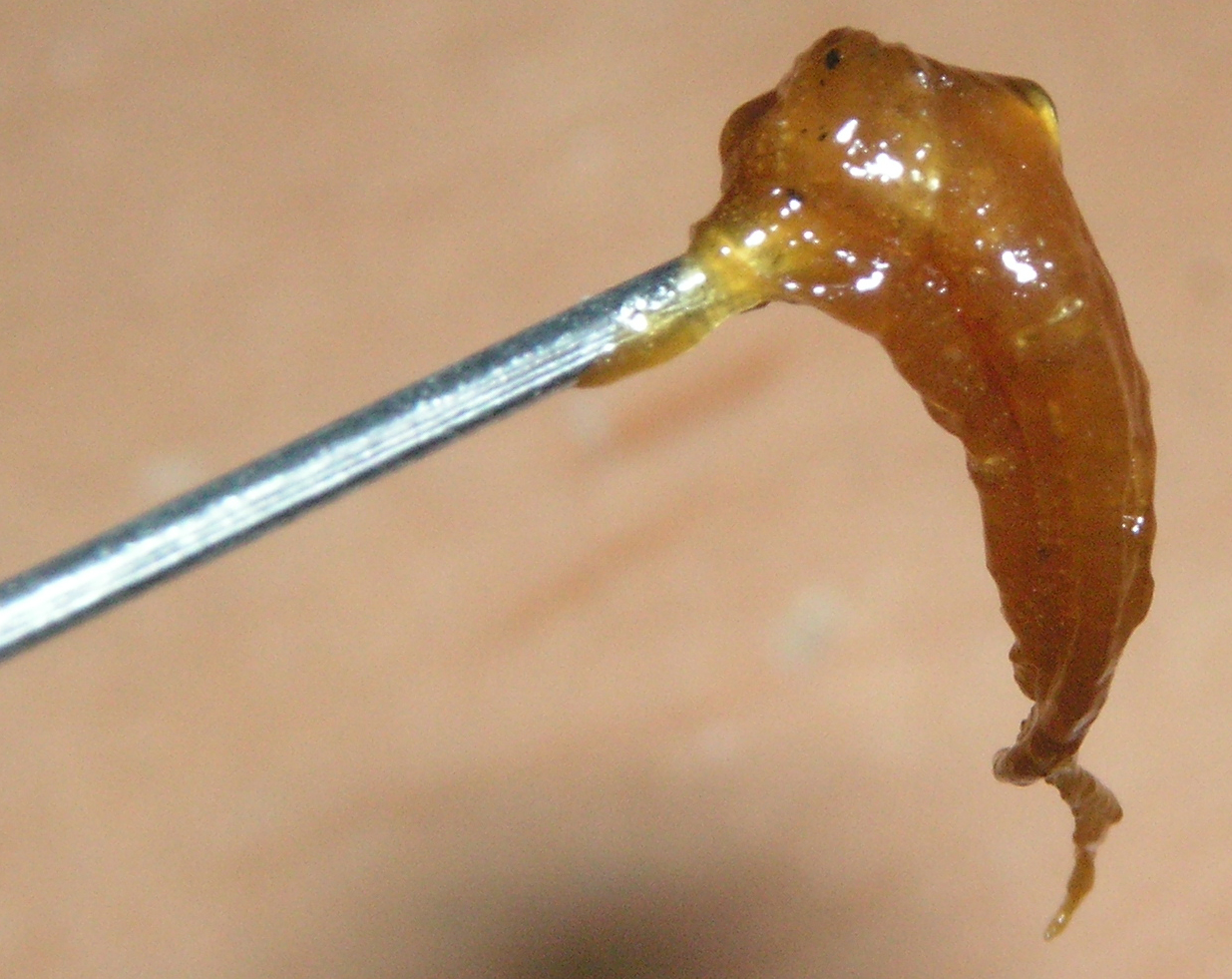
Photo: UnifiedFunctionality, CC BY-SA 4.0, via Wikimedia Commons
Key takeaways
- •If you need immediate predictability, inhalation delivers immediate feedback — you know within ten minutes exactly where your tolerance stands, making it easy to titrate your dose hit by hit.
- •If you're consuming edibles, respect the liver: the delayed onset and conversion to 11-OH-THC is why the golden rule is always "start low and go slow," with 5–10mg standard for new consumers.
- •Never take a second edible dose because "you don't feel it yet" unless at least two hours have passed.
- •Comparing doses is apples to oranges — a 10mg edible will feel vastly different than smoking 10mg worth of flower because of the different bioavailability rates and the creation of 11-OH-THC.
- •Understanding the science of how your body processes cannabis lets you move past trial-and-error and make informed, intentional choices about the products you consume.
In pharmacology, bioavailability refers to the proportion of an active compound that successfully enters systemic circulation and is able to have an active effect. If you inject a compound directly into a vein, its bioavailability is 100%. For any other consumption method—whether inhaled, swallowed, or applied topically—the bioavailability will be lower because the compound must pass through various biological barriers and metabolic filters before reaching the bloodstream.
When you consume cannabis, the total amount of THC or CBD listed on the packaging is never the amount that actually reaches your bloodstream. The route you choose dictates the bioavailability, which in turn determines the onset, peak, and duration of the experience.
When you inhale cannabis—whether through smoking flower, hitting a vape cart, or taking a dab of concentrate—the cannabinoids take a direct route into your system.
Smoke or vapor travels down the trachea and into the lungs, filling the alveoli (tiny air sacs). The alveoli have a massive surface area and are lined with a dense network of capillaries. Cannabinoids like Delta-9-THC and CBD, which are highly lipophilic (fat-soluble), easily pass across this membrane directly into the bloodstream.
From the lungs, the oxygenated, cannabinoid-rich blood travels to the heart, which immediately pumps it to the brain and the rest of the body. Because it bypasses the digestive system and the liver's initial filtration, inhalation is extremely fast-acting.
For inhalation, onset runs 2 to 10 minutes, effects peak at 15 to 30 minutes, and duration lasts roughly 1 to 3 hours — with bioavailability averaging 10% to 35% (around 30% for experienced consumers).
Why is inhaled bioavailability only 10% to 35%? A significant portion of the cannabinoids is lost to sidestream smoke (smoke burning off the end of a joint), exhaled before absorption, or destroyed by the extreme heat of combustion. Vaporization, which uses lower temperatures to boil cannabinoids without burning plant matter, tends to yield higher bioavailability on the upper end of this spectrum.
Eating a cannabis-infused gummy, chocolate, or baked good initiates a completely different metabolic journey—one that is characterized by delayed onset, lower overall bioavailability, but a profoundly different set of active compounds.
When you swallow an edible, it enters the stomach and intestines. Because cannabinoids are fat-soluble and repel water, they are not easily absorbed in the watery environment of the digestive tract. They must be emulsified by bile acids and packaged into micelles before they can cross the intestinal wall.
Once absorbed, the cannabinoids do not go directly to the brain. Instead, they enter the portal vein, which carries them straight to the liver. This is where the magic—and the unpredictability—happens.
The liver's job is to filter and metabolize compounds before they hit the general bloodstream. This process is known as first-pass metabolism. During this phase, liver enzymes (specifically the cytochrome P450 family) break down a massive percentage of the Delta-9-THC before it ever reaches the rest of your body.
Because of this heavy filtration, the bioavailability of edibles is remarkably low: onset runs 45 to 120 minutes, effects peak at 2 to 4 hours, duration lasts 4 to 8+ hours, and bioavailability ranges only 4% to 12%.
If only 4% to 12% of the THC in an edible actually reaches the bloodstream, why do edibles often feel so much more potent and long-lasting than smoking?
The secret lies in what the liver does during first-pass metabolism. As the liver breaks down Delta-9-THC, it converts a significant portion of it into a potent metabolite called 11-Hydroxy-THC (11-OH-THC).
While 11-OH-THC is present in small amounts when you smoke, it is produced in massive quantities when you consume edibles. Research indicates that 11-OH-THC is highly active, crosses the blood-brain barrier more easily than Delta-9-THC, and has a stronger binding affinity to the CB1 receptors in the brain. So, while you are getting a much lower total percentage of cannabinoids, the cannabinoids you do get include a highly potent, long-lasting variant that creates a characteristically heavier, more full-body experience.
Side by side, inhalation delivers 10%–35% bioavailability via lungs-to-bloodstream-to-brain in 2–10 minutes, dominated by Delta-9-THC; edibles deliver only 4%–12% bioavailability via intestines-to-liver-to-bloodstream-to-brain over 45–120 minutes, dominated by a mix of 11-Hydroxy-THC and Delta-9-THC — with duration stretching to 4–8+ hours versus 1–3.
The cannabis industry is constantly innovating to solve the unpredictable onset times of traditional edibles. Two methods blur the line between inhalation and ingestion:
Sublingual absorption: tinctures held under the tongue absorb through the mucosal membrane directly into the bloodstream, bypassing the liver and first-pass metabolism. This results in faster onset (15-30 minutes) and higher bioavailability, with a Delta-9-THC dominant effect. (If you swallow a tincture immediately instead of holding it under the tongue, it processes exactly like an edible.)
Nano-emulsified edibles: fast-acting gummies and beverages use nanotechnology to break cannabinoid oils into microscopic, water-soluble particles. This allows them to bypass traditional fat digestion and absorb rapidly through the stomach lining. Nano-edibles often hit within 15 to 30 minutes, bypassing much of the liver's conversion to 11-OH-THC, resulting in an experience that feels more akin to smoking.
This is general educational information, not medical advice. Effects vary by person, product, and dose — check local law, and talk to a doctor or licensed budtender for guidance specific to you.