Consumption
Full-Spectrum Extracts vs. THC Distillate: Decoding the Vape and Edible Market
A deep dive into cannabis extraction methods: how full-spectrum extracts compare to THC distillate in chemical profile, entourage effect, and consumer experience.
By The Crushed Desk · 3mo ago · 9 min read

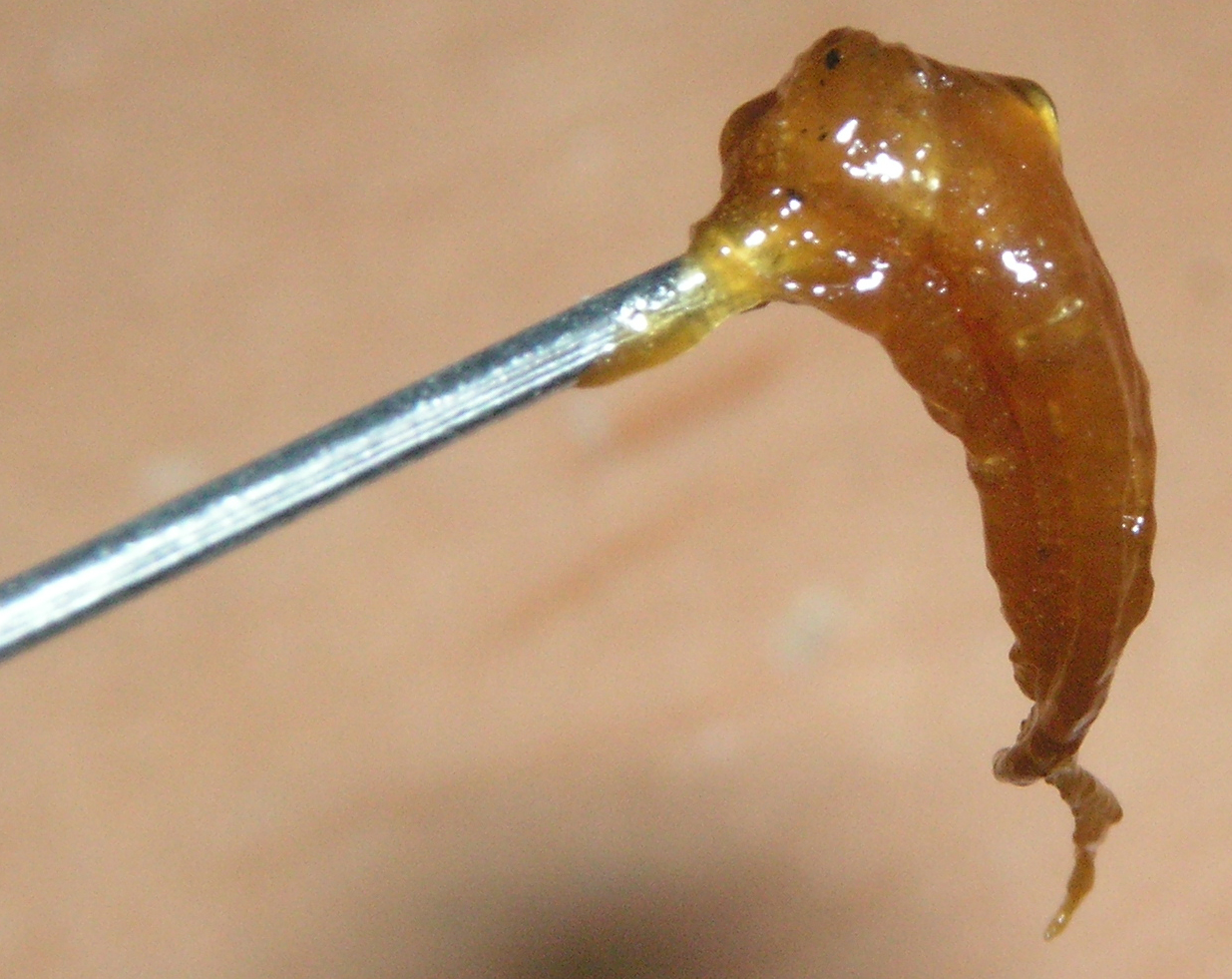
Photo: Cameek33, CC BY-SA 4.0, via Wikimedia Commons
Key takeaways
- •If your goal is maximum THC for the lowest price, or edibles that taste like plain candy, distillate is the efficient, cost-effective choice.
- •If you want a nuanced experience, or find high-THC distillate cartridges feel one-dimensional and short-lived, look toward full-spectrum extracts like live resin or rosin — lower THC on paper, often a more robust and satisfying effect from the full chemical matrix.
You see two seemingly identical vape cartridges at a dispensary: one labeled "90% THC Distillate" for $25, the other "75% THC Full-Spectrum Live Resin" for $55. The budtender says the pricier one is better, but the cheaper one has more THC — so why pay double for less of it? The answer is the extraction philosophy behind each: isolation versus preservation.
THC distillate is the commodity crop of the industry — a highly refined oil stripped of nearly everything except isolated Delta-9 THC, often above 90% purity. Producers start with a crude extract (often via ethanol or CO2) and run fractional distillation, applying precise heat and vacuum to separate compounds by boiling point. Because raw distillate is odorless and flavorless — its terpenes boiled off in refinement — manufacturers almost always add terpenes back before filling cartridges or edibles, frequently sourcing "botanical terpenes" from non-cannabis plants rather than the cannabis-derived kind, which rarely replicates the plant's original chemical complexity.
A full-spectrum extract aims for the opposite: preserving the chemical ratio that existed in the raw flower. Solvent methods like BHO/PHO, or solventless methods like ice-water hash and rosin pressing, strip trichome heads without the extreme heat that would destroy volatile terpenes. When performed on flash-frozen, freshly harvested plant material — skipping the drying and curing phase entirely — the result is a "live" extract like live resin or live rosin, retaining an unusually complete terpene profile.
Full-spectrum extracts typically test lower in total THC — often 65% to 80% — because the remaining fraction is genuine plant chemistry: terpenes, minor cannabinoids, and other compounds that form the basis of the proposed "entourage effect," where terpenes like myrcene, caryophyllene, and linalool modulate how THC interacts with the endocannabinoid system. The resulting high is typically described as more robust and longer-lasting, closer to smoking raw flower, where THC is the engine but the terpene and minor-cannabinoid ratio is the steering wheel.
Distillate is cheap, consistent, and lacks the "weedy" flavor food manufacturers have to mask, which is why most commercial gummies, chocolates, and beverages are distillate-based — a 10mg distillate gummy from an "indica" recipe and a 10mg distillate gummy from a "sativa" recipe will feel physiologically identical unless botanical terpenes were added to loosely mimic a profile. Full-spectrum or "rosin" edibles retain the source plant's chemical complexity and genuinely can differ strain to strain, but cost more to produce and carry a premium price.
The terminology is largely unregulated, so it pays to check a few things directly: does the COA show a diverse terpene profile or just a THC spike with nothing else? Watch for "liquid live resin" cartridges that blend a small fraction of live resin into mostly distillate to justify a higher price — a cartridge in the high 90s THC is almost certainly a distillate blend, since true full-spectrum live resin can't reach those numbers without sacrificing terpene content. And if a cartridge claims added terpenes, it's worth finding out whether they're cannabis-derived or botanical, since CDT products tend to deliver a more authentic flavor and effect.
This is general educational information, not medical advice. Effects vary by person, product, and dose — check local law, and talk to a doctor or licensed budtender for guidance specific to you.