Basics
How to Read a Cannabis Label: THC%, Terpenes, and What Actually Matters
Every legally sold cannabis product ships with a lab-tested label. Here's how to actually use the numbers on it — and which ones are more marketing than science.
By The Crushed Desk · 3mo ago · 5 min read

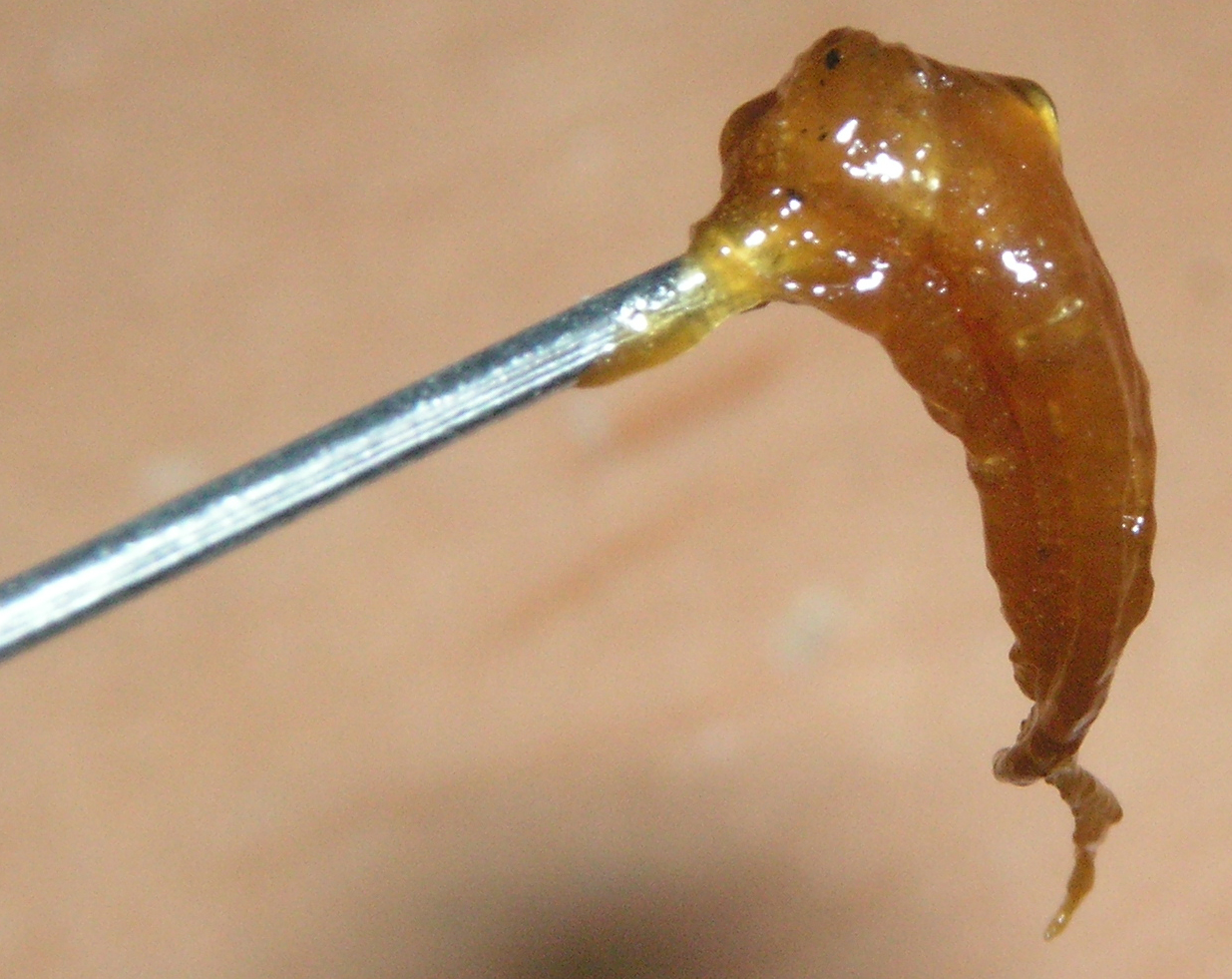
Photo: Cannabis Tours, CC BY-SA 4.0, via Wikimedia Commons
Key takeaways
- •Total THC on a label is usually calculated from both THC and THCA, since THCA converts to THC when heated — the formula is roughly THC + (THCA × 0.877).
- •A Certificate of Analysis (COA), often linked via a QR code on the package, shows the full lab panel: cannabinoids, terpenes, and screens for pesticides, heavy metals, and microbial contaminants.
- •Terpene percentages are usually much smaller numbers than THC, but they're a better predictor of aroma and reported effect than the indica/sativa label alone.
- •A failed or missing pesticide/microbial screen matters more for safety than an extra percentage point of THC — always check that a product passed contaminant testing, not just potency.
In every legal cannabis market, licensed products are required to carry lab-tested cannabinoid content, and most labels lead with a single "Total THC" number. That figure usually isn't a direct measurement — it's calculated from two separate lab results, THC and THCA, using roughly the formula Total THC = THC + (THCA × 0.877). The 0.877 factor accounts for the small loss in molecular weight when THCA converts to THC during decarboxylation (heating). A label might list THCA at 22% and THC at 0.5%, which nets out to a "Total THC" around 19.8% — that's normal, not a red flag.
Beyond potency, look for a Certificate of Analysis, or COA — often accessible via a QR code printed on the package. A full COA covers far more than THC and CBD: it typically includes a terpene panel and, critically, a battery of safety screens for pesticides, residual solvents (for concentrates and vapes), heavy metals, and microbial contaminants like mold or E. coli. A product can be accurately labeled for potency and still have failed or skipped a safety screen depending on the market's testing requirements, so it's worth checking both.
Terpene content is usually reported as much smaller percentages than THC — often under 2-3% combined — but it's doing more work than the size of the number suggests. Terpenes are the aromatic compounds behind a product's smell and flavor, and current research suggests they interact with cannabinoids to shape the overall effect, sometimes called the entourage effect. A label listing myrcene, limonene, caryophyllene, or pinene as dominant terpenes tells you more about what the experience will actually feel and smell like than the indica/sativa category does.
A few numbers worth knowing how to read at a glance: "Total Cannabinoids" sums everything detected, not just THC and CBD — that includes minor cannabinoids like CBG or CBN, which some products now highlight specifically. "mg per serving" on edibles is the number that matters for dosing, not the total mg in the package. And for vape cartridges, the THC percentage is measured in the oil itself, not diluted by a device or battery, so a 90% THC cart delivers a meaningfully more concentrated dose per puff than 20% THC flower — worth factoring in if you're used to flower and trying a cart for the first time.
This is general educational information, not medical advice. Effects vary by person, product, and dose — check local law, and talk to a doctor or licensed budtender for guidance specific to you.