Basics
Indica vs. Sativa vs. Hybrid: What the Labels Actually Tell You
The indica-sativa split shows up on every dispensary shelf and every menu app. Here's where the terms came from, why the science behind them is shakier than the labels suggest, and what actually predicts how a strain will make you feel.
By The Crushed Desk · 3mo ago · 4 min read
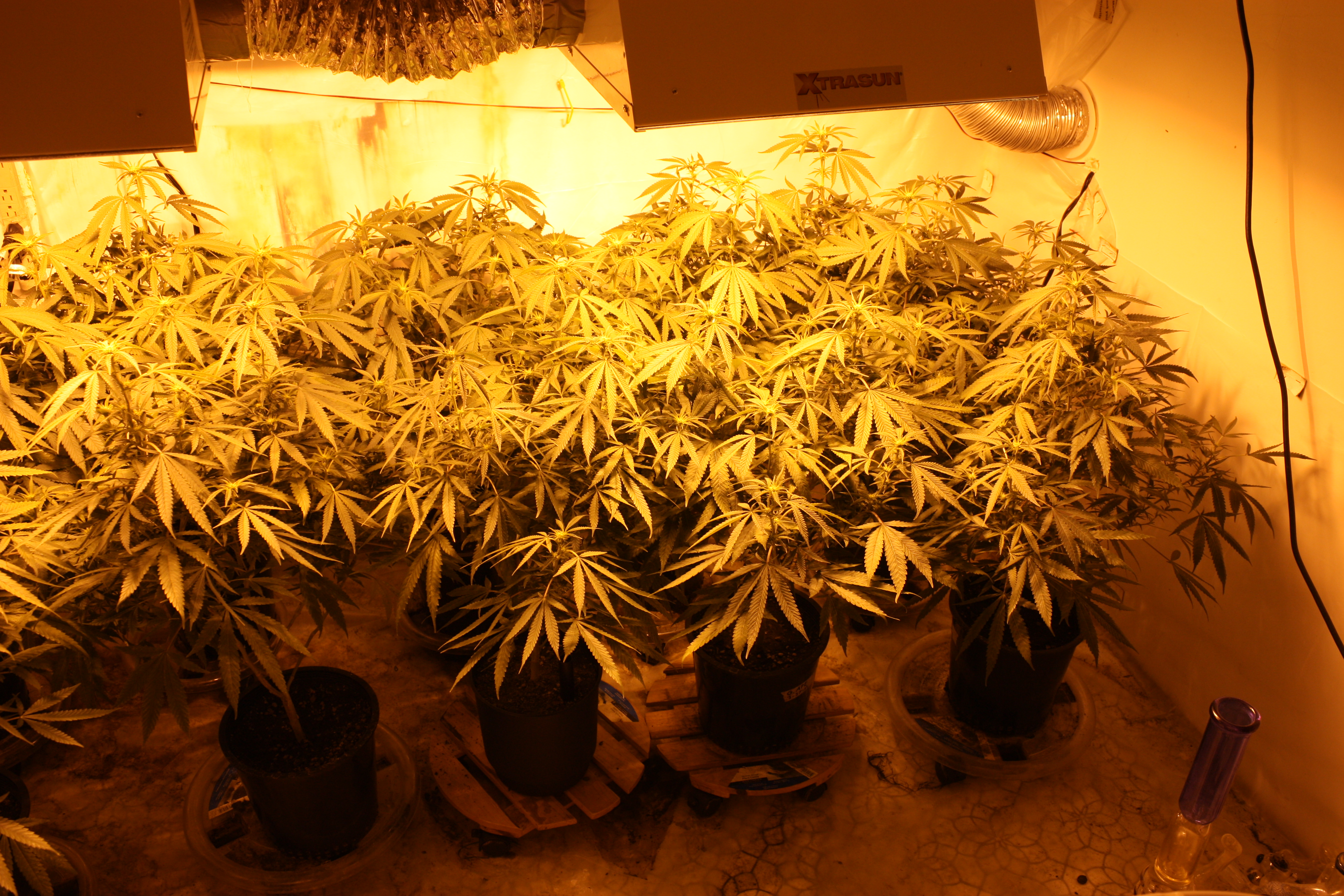
Photo: Cannabis Training University, CC BY-SA 3.0, via Wikimedia Commons
Key takeaways
- •Indica and sativa were originally botanical categories describing plant shape and geographic origin, not guaranteed effects — indica plants are short and broad-leafed, sativa plants are tall and narrow-leafed.
- •Decades of selective breeding and hybridization mean almost nothing sold at a modern dispensary is a "pure" indica or sativa; most named strains are hybrids in some proportion.
- •Cannabinoid content (THC/CBD) and terpene profile predict the actual experience far better than the indica/sativa label does, but that data isn't always on the shelf tag the way the category is.
- •The most reliable approach is to track your own reaction to specific named strains or chemovars over time, rather than assuming every 'indica' will be sedating or every 'sativa' will be energizing.
"Indica" and "sativa" started as botanical classifications, not effect predictions. Cannabis indica, associated with the Hindu Kush region, tends to grow short and bushy with broad leaves; Cannabis sativa, associated with equatorial regions, grows tall and lanky with narrow leaves. Growers and breeders eventually layered a folk wisdom on top of the botany — indica for relaxing, sedating, "couch-lock" effects, sativa for energizing, uplifting, cerebral effects — and that framework is now printed on packaging and menus everywhere.
The problem is that the framework doesn't hold up well against what's actually for sale. Decades of cross-breeding for potency, yield, and flavor mean the overwhelming majority of dispensary flower today is a hybrid of some mix of indica and sativa ancestry, and there's no standardized, tested way to verify a plant's genetic lineage matches what's printed on the label. Researchers who have looked at this have generally found that the indica/sativa label on a package doesn't reliably predict its chemical profile or reported effects — two products both labeled "indica" from different growers can differ substantially.
What tracks better with the actual experience is the plant's chemovar — its specific combination of cannabinoids (THC and CBD levels) and terpenes, the aromatic compounds that also appear to interact with cannabinoids to shape effect (the "entourage effect"). Terpenes like myrcene (earthy, often linked anecdotally to sedation), limonene (citrusy, often linked to uplifted mood), and pinene (piney, associated with alertness) show up across both indica- and sativa-labeled products, which is part of why two "sativas" can feel completely different from each other.
In practice, the indica/sativa/hybrid label is still a useful rough shorthand — it's not meaningless, and breeders do select for effect tendencies — but it's a starting point, not a guarantee. The more reliable strategy is to pay attention to the THC/CBD percentages and terpene list on the lab-tested label when available, and to keep a mental (or literal) note of which specific named products actually delivered the effect you wanted, since your own history with a strain will tell you more than the category it's filed under.
Strains in this story
This is general educational information, not medical advice. Effects vary by person, product, and dose — check local law, and talk to a doctor or licensed budtender for guidance specific to you.