Basics
The Indica vs. Sativa Myth: Why Chemotypes Matter More Than Plant Shape
Stop shopping by indica or sativa. Learn the science of cannabis chemotypes, terpenes, and why chemical profiles matter more than leaf shape.
By The Crushed Desk · 3mo ago · 5 min read
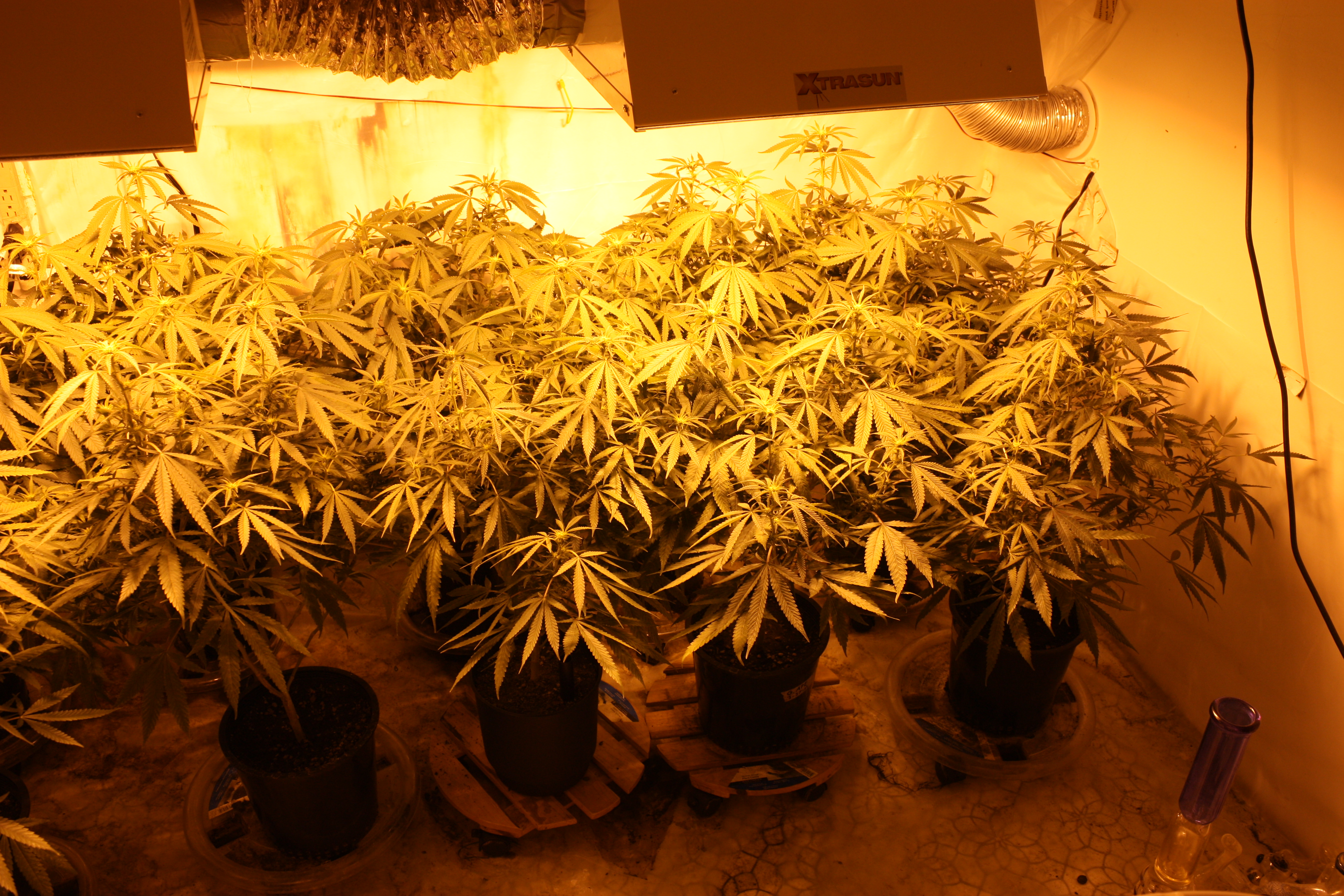
Photo: Cannabis Training University, CC BY-SA 3.0, via Wikimedia Commons
Key takeaways
- •Stop shopping by plant shape — limiting yourself to "only indicas" or "only sativas" likely means missing products that would work perfectly for you because of arbitrary labeling.
- •Start reading the COA: ask your budtender for the Certificate of Analysis for the flower you're considering, and look past the total THC percentage to check the terpene profile.
- •Track your terpenes — note the top three dominant terpenes in strains you enjoy, and you'll spot patterns you can ask budtenders for by chemical profile rather than by indica/sativa label.
- •One grower's "Blue Dream" can have a completely different chemotype than another's, since cannabis strain names aren't strictly regulated by genetics — the current batch's test results are the only objective truth.
- •Shifting focus from botanical folklore to actual chemistry puts you in control of your consumption experience: you aren't smoking the shape of the leaf, you're consuming the resin.
To understand why the indica/sativa system is broken, it helps to understand where it came from. In 1753, Carl Linnaeus, a Swedish botanist, classified hemp plants grown in Europe as Cannabis sativa. These plants were tall, lanky, and primarily cultivated for fiber and seeds.
Thirty-two years later, in 1785, French biologist Jean-Baptiste Lamarck examined plant specimens from India. These plants were shorter, bushier, and produced significantly more resin. Because of their geographic origin, he named this species Cannabis indica.
These classifications were purely morphological and geographical: sativa-type plants were tall, narrow-leafed, slow to flower, and adapted to warmer equatorial climates, while indica-type plants were short, broad-leafed, quicker to flower, and adapted to harsher, colder climates like the Hindu Kush mountains. At no point did Linnaeus or Lamarck smoke these plants and categorize them by whether they felt sedated or uplifted — the indica/sativa binary was a botanical distinction, not a pharmacological one.
Even if pure indica and pure sativa plants originally had distinctly different chemical profiles in their native environments (landraces), those pure lineages are exceptionally rare today. Decades of underground breeding, driven by the black market's need for high-yield, fast-flowering, potent plants, have resulted in massive genetic hybridization. Breeders frequently crossed tall, narrow-leaf plants with short, broad-leaf plants to optimize for indoor growth parameters.
Today, almost everything on the market is a genetic hybrid. A plant may grow short and bushy (displaying "indica" morphology) but produce a chemical profile completely unexpected for its shape. Genetically speaking, the terms indica and sativa on modern packaging are essentially meaningless as predictors of lineage.
If indica and sativa don't dictate the effects, what does? The answer lies in the trichomes — the tiny, crystalline glands on the surface of the cannabis flower that produce resin. This resin contains hundreds of active compounds, most notably cannabinoids and terpenes, and the specific ratio and concentration of these compounds in a given plant is known as its chemotype (chemical phenotype).
Cannabinoids, like THC and CBD, bind to receptors in the human endocannabinoid system and provide the core engine of the experience — THC is primarily responsible for the intoxicating effects, while CBD is non-intoxicating and can modulate how THC interacts with your receptors. However, if you consume pure THC distillate, stripped of all other plant compounds, the experience is often described as flat, generic, and sometimes anxiety-inducing. The nuance of the high is missing.
Terpenes are the aromatic oils that give cannabis its distinctive smells — pine, citrus, diesel, berry — but they do much more than provide flavor. Research indicates that terpenes interact synergistically with cannabinoids in what is commonly referred to as the "entourage effect," acting as a steering wheel that directs the THC engine toward specific physical and cognitive outcomes.
Myrcene, an earthy, musky terpene found in mangoes and hops, is strongly associated at high levels with the heavy, relaxing "couch-lock" effect traditionally attributed to "indicas." Limonene, a bright, citrusy terpene, is often reported to feel uplifting and cerebrally stimulating — the classic "sativa" experience. When a dispensary labels a strain "indica," what they usually mean is that batch has a chemotype dominant in myrcene and linalool; when they label it "sativa," they mean it has a chemotype dominant in limonene and terpinolene.
The traditional paradigm categorizes cannabis as indica, sativa, or hybrid based on plant morphology and marketing folklore, with low to moderate predictive value for the consumer since hybridization has scrambled the genetic assumptions it rests on. Botanists and researchers are increasingly adopting a numbered chemotype system based on cannabinoid ratios instead: Type I is high-THC, low-CBD (the vast majority of the adult-use market); Type II is a mixed ratio of roughly equal THC and CBD; and Type III is high-CBD, low-THC, often classified legally as hemp.
When you combine a plant's Type (cannabinoid ratio) with its dominant terpenes, you get a far more accurate map of its potential effects than its "indica" or "sativa" label ever could.
Strains in this story
This is general educational information, not medical advice. Effects vary by person, product, and dose — check local law, and talk to a doctor or licensed budtender for guidance specific to you.