Basics
Landrace vs. Polyhybrid Genetics: Beyond Indica and Sativa
Nearly every strain on a dispensary shelf is a polyhybrid, not a pure Indica or Sativa. Here's what landrace genetics actually are, how decades of breeding created a genetic bottleneck, and why chemotype — not the label — is what actually predicts effects.
By The Crushed Desk · 3mo ago · 7 min read

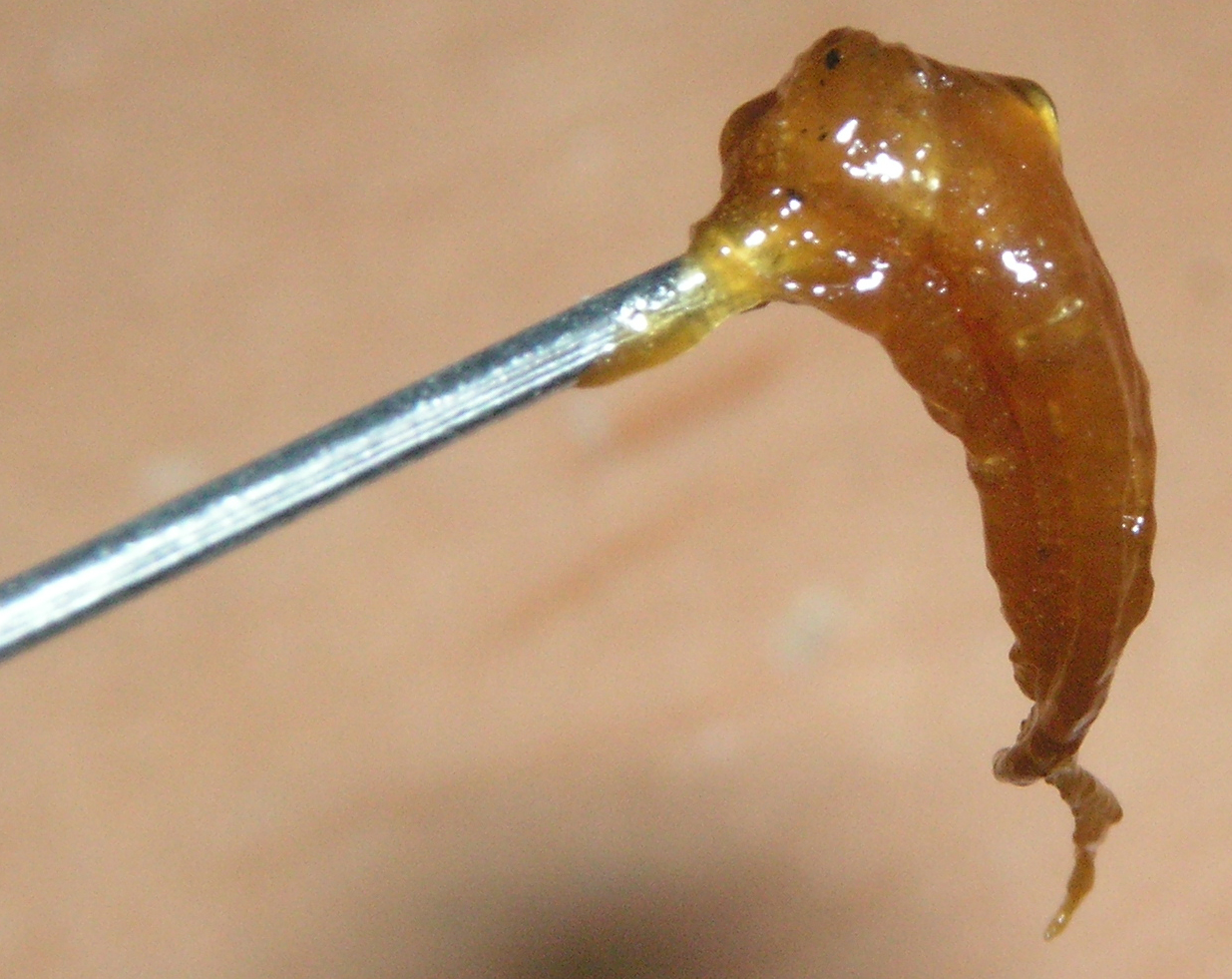
Photo: Phillip Gallant, CC BY-SA 4.0, via Wikimedia Commons
Key takeaways
- •Landrace strains are cannabis's geographic ancestors — regionally isolated, genetically stable plants like Hindu Kush, Thai, and Durban Poison that rarely appear on dispensary shelves today.
- •A polyhybrid is a cross between plants that are already hybrids — decades of hybrid-on-hybrid breeding mean nearly every commercial strain (Blue Dream, Gelato, Wedding Cake) is technically a polyhybrid.
- •Repeatedly crossing the same popular strains has produced a genetic bottleneck: modern cannabis is increasingly homogenized around high THC and a few dominant terpenes, at the expense of minor cannabinoids like CBG and THCV.
- •"Indica" and "Sativa" originally described plant shape, not effects — in scrambled polyhybrids, physical structure no longer correlates to how a strain makes you feel.
- •Chemotype — the actual cannabinoid and terpene ratio on a Certificate of Analysis — predicts a strain's effects far better than the Indica/Sativa label does.
Walk into a modern dispensary and ask for an "authentic Indica," and you'll almost certainly walk out with a polyhybrid instead. Despite the rigid Indica, Sativa, and Hybrid categories painted across menus and packaging, the botanical reality of modern cannabis is far more tangled: over the last four decades, underground breeding has cross-pollinated the global cannabis gene pool so thoroughly that nearly every commercial strain sold today is a complex genetic mix. Understanding what you're actually buying means looking past the marketing binaries and learning the difference between landrace strains — the geographic ancestors of modern cannabis — and the polyhybrids that dominate the market now.
Landrace strains are cannabis's foundational genetic building blocks: varieties of Cannabis sativa L. that adapted over centuries to specific geographic and climatic environments, from the high altitudes of the Hindu Kush mountains to the humid, equatorial valleys of Southeast Asia. Through natural selection and early agricultural practices by local farmers, these populations stabilized into distinct morphologies and chemotypes uniquely suited to their native regions. Because a true landrace has been inbred within an isolated geography for generations, its genetic expression is highly stable — plant ten seeds of a true Thai landrace and all ten will share uniform traits: tall structures, long flowering times, and a consistent cannabinoid and terpene ratio adapted to high humidity and intense sun.
Some of cannabis's most prominent historical landraces show just how specialized these adaptations became: Hindu Kush genetics from Afghanistan and Pakistan produced short, stout, heavily resinous plants built for cold, arid mountain climates; Thai landraces grew tall and wispy with long flowering cycles suited to tropical heat and humidity; Acapulco Gold adapted to the sun-drenched coastal climate of Guerrero, Mexico; and Durban Poison, from South Africa, evolved into a fast-flowering, resilient plant built for a variable coastal climate. Finding a true, untouched landrace in a commercial dispensary today is exceedingly rare — most commercial operations don't have the time or space for landraces, which often carry low yields and exceptionally long flowering times, sometimes up to 16 weeks, compared to modern hybrids.
If landraces are cannabis's primary colors, polyhybrids are what you get from blending those colors together over and over again. A hybrid is simply a cross between two genetically distinct plants; a polyhybrid is a cross between two plants that are already hybrids. Because virtually all modern breeding involves crossing existing hybrids with other hybrids, nearly everything on today's market — from Blue Dream to Gelato to Wedding Cake — is technically a polyhybrid.
The shift from landraces to polyhybrids accelerated in the 1970s and '80s, as breeders in North America and Europe began importing landrace seeds from around the world. Crossing a fast-flowering, resin-heavy Afghan indica with a potent, cerebral Thai sativa let breeders capture the best traits of both, producing foundational strains like Skunk #1 and Haze. But as prohibition pushed cultivation indoors, breeders actively selected for traits that maximized indoor profitability — fast flowering times, short stature, high yields, and increasingly high THC percentages — and decades of crossing hybrids with hybrids to chase those commercial traits left the genetic baseline heavily homogenized.
That relentless focus on high-THC polyhybrids produced what botanists and geneticists call a genetic bottleneck. When breeders constantly cross the same popular strains — say, a Gelato derivative with a Wedding Cake derivative — the resulting gene pool shrinks: the plants become highly optimized for specific commercial traits but lose the broad genetic diversity found in landrace populations. It's why so many modern strains share similar terpene profiles, often leaning heavily on caryophyllene, limonene, and myrcene, while pushing THC past 25% and breeding out minor cannabinoids like CBD, CBG, or THCV almost entirely.
The dominance of polyhybrids also exposes a fatal flaw in how cannabis is sold. "Indica" and "Sativa" originally described the plant's physical structure — indica plants short and broad-leafed, sativa plants tall and narrow-leafed — not its effects. But because modern polyhybrids contain a scrambled mix of both Afghan and equatorial genetics, physical structure no longer correlates to chemical effects; a plant can grow short and bushy like an Afghan landrace while expressing the uplifting terpene profile of a Thai one. What actually dictates how a strain makes you feel isn't its physical lineage but its chemotype — the specific ratio of cannabinoids and terpenes it produces — which makes labeling a complex polyhybrid "Sativa" based on a loose read of its effects scientifically inaccurate.
Side by side, the two categories diverge sharply. Landrace seeds produce genetically stable, uniform plants with consistent traits and, often, a wider diversity of minor cannabinoids across regions; polyhybrid seeds can produce varying phenotypes with genetics narrowed toward high THC and a handful of dominant market terpenes. Landraces often carry long flowering times — 10 to 16 weeks for equatorial varieties — while polyhybrids are bred for commercial speed, typically 7 to 9 weeks. Landraces tend to have variable yield and less visual "frost," while polyhybrids are optimized for dense structure, high yield, and heavy trichome coverage. And where landraces are extremely rare in commercial dispensaries, preserved mostly by specialized seed banks, polyhybrids dominate roughly 99% of the legal commercial market.
As the commercial market keeps churning out high-THC dessert strains, a growing counter-movement among breeders and scientists is working to preserve landrace genetics — and the stakes go beyond botanical history. Because landraces evolved in harsh, distinct environments, they often carry unique traits like natural pest resistance, drought tolerance, or the ability to produce rare cannabinoids such as THCV, often found in South African landraces, or CBDV. If the current polyhybrid gene pool ever becomes too fragile or disease-susceptible — a fate that has historically plagued other highly homogenized crops, like bananas — landrace genetics will be the reservoir breeders need to build resilience back into the plant.
For the everyday consumer, understanding the reality of polyhybrids should change how you shop. Stop shopping by Indica or Sativa — accept that almost everything on the shelf is a polyhybrid, and that the labels are largely arbitrary marketing shorthand for predicting effects. Shop by chemotype and Certificate of Analysis instead: look at the full cannabinoid profile, not just THC, and the dominant terpenes, and if you know a specific mix like terpinolene and myrcene works for you, look for that chemical fingerprint regardless of what the label calls it. And if you grow at home or have access to craft cannabis, look for breeders working with F1 hybrids — first-generation crosses between two stable lines — or incorporating heirloom genetics, which tend to offer more nuanced, complex effects than the heavily bottlenecked polyhybrids dominating the top shelves.
Strains in this story
This is general educational information, not medical advice. Effects vary by person, product, and dose — check local law, and talk to a doctor or licensed budtender for guidance specific to you.