Consumption
Smoking, Vaping, Dabbing, and Edibles: How the Methods Actually Compare
Same plant, wildly different experience depending on how you take it. Here's how onset time, duration, and intensity change across the four main ways people consume cannabis.
By The Crushed Desk · 3mo ago · 6 min read

Photo: Elsa Olofsson, CC BY 2.0, via Wikimedia Commons
Key takeaways
- •Inhaled methods (smoking, vaping, dabbing) hit fast — effects typically start within minutes and peak within 30 minutes — because cannabinoids absorb through the lungs directly into the bloodstream.
- •Edibles are metabolized through the liver, which converts THC into a more potent, longer-acting compound (11-hydroxy-THC), producing a delayed but often stronger and longer high — commonly 30 minutes to 2+ hours to onset.
- •Dabbing delivers the most concentrated, fastest-hitting dose of the inhaled methods, since concentrates run 60-90%+ THC versus roughly 15-25% for flower.
- •There's no single 'best' method — the right choice depends on how fast you want onset, how long you want the effect to last, and your tolerance for a stronger peak versus a gentler one.
How you consume cannabis changes the experience almost as much as what you consume. The fastest-acting methods are the inhaled ones — smoking flower, vaping flower or oil, and dabbing concentrate — because cannabinoids absorb through the lungs directly into the bloodstream, bypassing digestion entirely. Effects from any inhaled method typically begin within a few minutes and peak within 15 to 30 minutes, which makes it much easier to dose in real time: you can take one hit, wait, and decide whether you want more before you've committed to a full dose.
Smoking and vaping flower are similar in onset and duration but differ in what else comes along with the cannabinoids. Combustion (smoking) burns plant material and produces smoke containing tar and other byproducts of burning organic matter, similar in kind (though generally in far smaller volume) to tobacco smoke. Vaping heats flower or oil to a temperature that releases cannabinoids and terpenes as vapor without combustion, which is why many people who are concerned about lung irritation from smoke prefer it — though vaping cannabis oil cartridges of unknown or low-quality origin carries its own risks if the oil contains additives like vitamin E acetate, which was linked to the 2019 EVALI lung injury outbreak in illicit-market vape products.
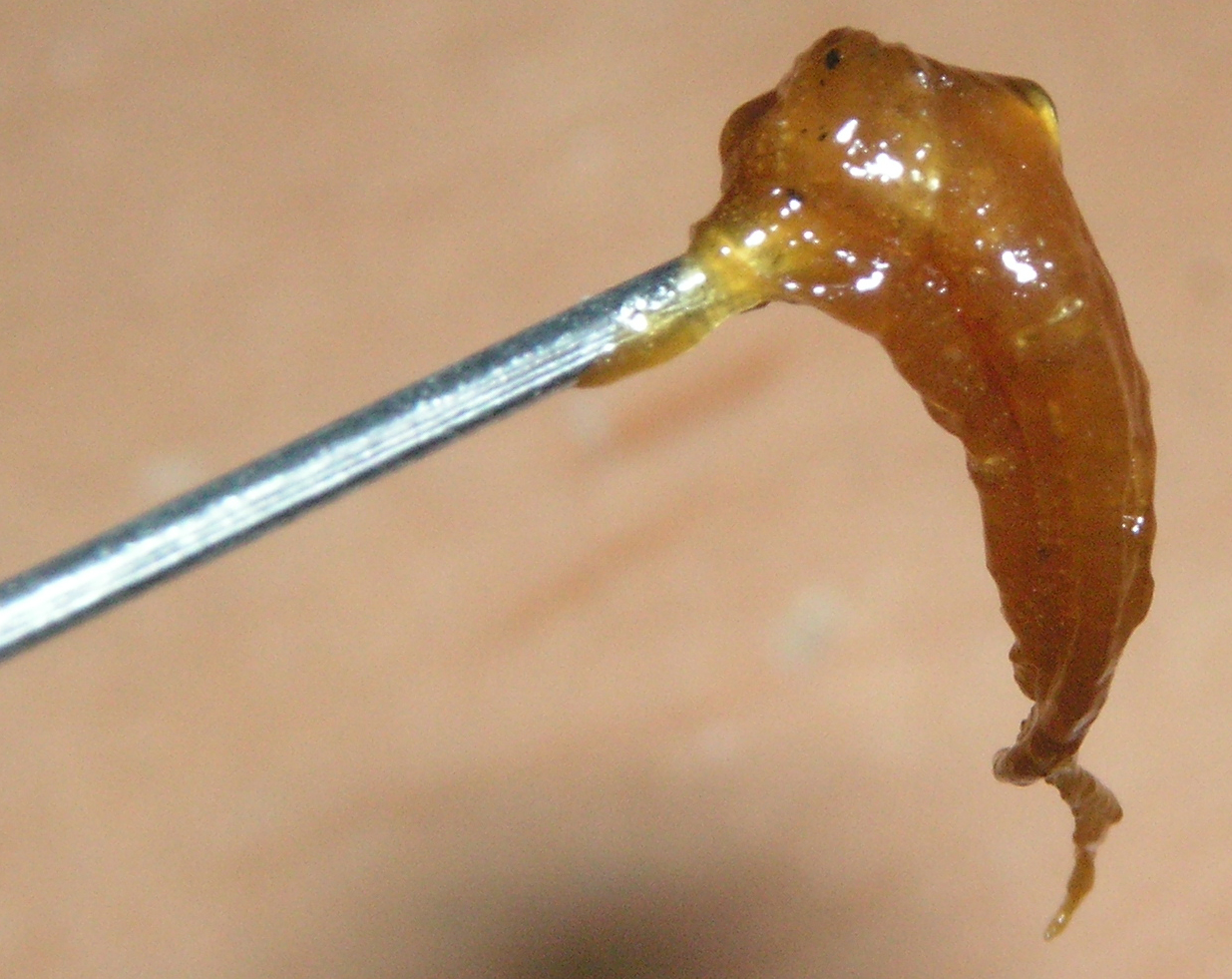
Dabbing is the most concentrated end of inhalation: it involves vaporizing a cannabis concentrate (wax, shatter, live resin, rosin) that typically runs 60-90%+ THC, versus roughly 15-25% for most flower, using a specialized rig or e-nail heated to a high temperature. The onset is just as fast as smoking or vaping flower, but the dose per inhalation is much larger, which is why dabbing is generally considered better suited to people with an established tolerance rather than first-time consumers.
Edibles work completely differently. THC from an edible is absorbed through the digestive system and processed by the liver, which converts a portion of it into 11-hydroxy-THC — a metabolite that crosses the blood-brain barrier more efficiently than THC itself and is widely reported to produce a stronger, more body-centered, longer-lasting effect. That processing takes time: onset commonly runs 30 minutes to 2 hours depending on your metabolism, stomach contents, and the product itself, and the effects can last 4 to 8 hours or longer. That delay is also the single most common cause of edible overconsumption — people who don't feel anything after 45 minutes take more, not realizing the first dose simply hasn't hit yet.
None of these methods is objectively "better" — they're different tools. If you want a short, controllable effect you can titrate in real time, an inhaled method gives you that feedback loop. If you want a longer-lasting effect and don't mind waiting for onset (or want to avoid inhaling anything at all), edibles make more sense — provided you respect the delayed onset and dose conservatively the first time with any new product.
This is general educational information, not medical advice. Effects vary by person, product, and dose — check local law, and talk to a doctor or licensed budtender for guidance specific to you.