Effects & Health
The Biphasic Effect of THC: Why Higher Doses Can Diminish Your Experience
Understand the biphasic effect of THC. Learn why higher cannabis doses can reduce desired effects and increase anxiety, and how to find your optimal dose.
By The Crushed Desk · 3mo ago · 8 min read

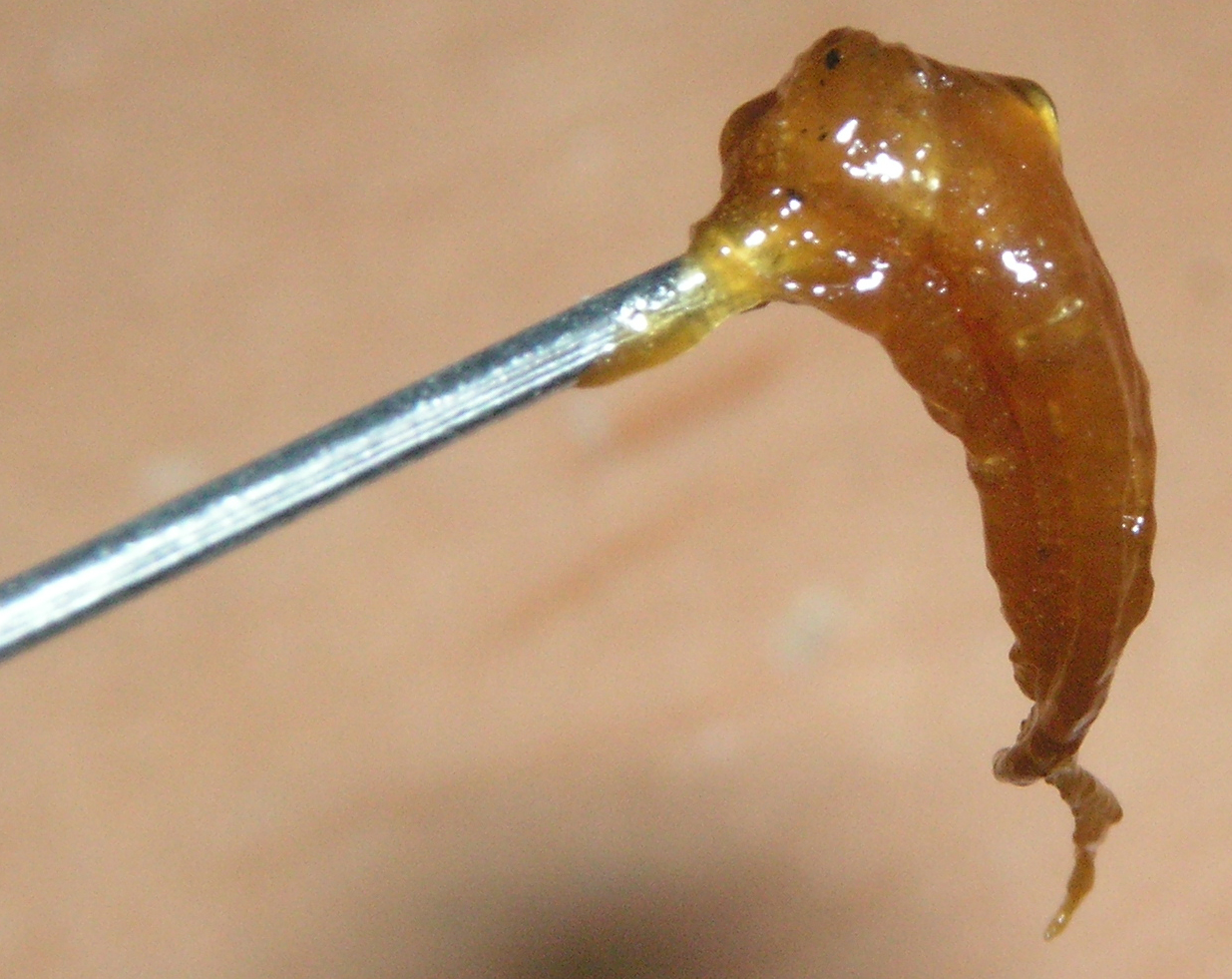
Photo: Elsa Olofsson, CC BY 2.0, via Wikimedia Commons
Key takeaways
- •Mastering cannabis means abandoning "more is better" and respecting the biology of your endocannabinoid system.
- •Dose intentionally, not linearly: a second hit that feels good doesn't necessarily double the effect — it may well push you past the peak into the descending phase.
- •Titrate: with inhalation, wait 10 to 15 minutes between hits; with edibles, start at 2.5mg to 5mg and wait a full two hours before considering more.
- •If your usual dose starts causing anxiety, fatigue, or a racing heart, that's the biphasic curve talking — the fix is usually a lower dose or a short tolerance break, not a different strain.
- •If you're sensitive to THC, a product with equal or greater CBD can buffer the curve and widen your comfortable dosing window.
"Biphasic" combines "bi" (two) and "phasic" (phases): a biphasic compound produces one set of effects at a low dose and a different, often contradictory set at a higher dose. Where a linear compound like alcohol scales its effects roughly in a straight line with dose, THC's dose-response curve looks more like an inverted U — effects rise through an ascending phase, peak at an optimal dose, then plateau and reverse into a descending phase where a different, often adverse, set of effects takes over. A 5mg dose might promote relaxation and sociability for someone, while 25mg triggers paranoia, withdrawal, or a racing heart in that same person — not just "more high," but a different biological response entirely.
THC triggers this curve through its relationship with the endocannabinoid system. Your body produces its own endocannabinoids, like anandamide, that bind CB1 receptors densely packed through the amygdala, hippocampus, and basal ganglia, keeping the nervous system in homeostasis. THC is a partial agonist at these same receptors — at low-to-moderate doses it gently modulates neurotransmitter release, producing euphoria, sensory enhancement, and relaxation. But because the ECS's whole purpose is balance, flooding it with too much THC at once throws the system out of equilibrium and the brain reacts protectively: the amygdala can become overstimulated, triggering anxiety or paranoia; THC's vasodilating effect can push the heart to compensate, producing an anxiety-feeding tachycardia; and with sustained high-dose use, the brain begins pulling CB1 receptors inside the cell to hide them from the flood — the downregulation that builds tolerance and blunts the positive effects.
The exact threshold between the two phases is individual — shaped by genetics, current tolerance, and route of administration — but the pattern holds broadly: low-to-optimal doses bring euphoria, mild stimulation or relaxation, sharper lateral thinking, and sociability, while excess doses bring anxiety or emotional blunting, heavy sedation, racing thoughts, social withdrawal, and a faster heart rate.
CBD changes the shape of this curve. It acts as a negative allosteric modulator at the CB1 receptor — rather than competing for THC's primary binding site, it attaches to a secondary site and physically reshapes the receptor, making it harder for THC to bind effectively. That effectively flattens the inverted U and pushes the peak further out, widening the therapeutic window before you tip into the negative phase — which is why a 1:1 or 2:1 CBD-to-THC ratio is one of the more reliable ways to avoid the biphasic curve's downside, especially for lower-tolerance consumers.
Your optimal dose also isn't fixed — daily use downregulates CB1 receptors, so a 5mg dose that once hit your peak may barely register on the ascending slope later. Chasing the peak by raising the dose further only accelerates downregulation, and eventually the peak flattens out almost entirely, leaving a narrow window of mostly negative effects — lethargy, brain fog, anxiety — with little euphoria left. At that point the only real fix is a cessation break, typically 48 hours to three weeks, to let CB1 receptors upregulate and reset the curve.
This is general educational information, not medical advice. Effects vary by person, product, and dose — check local law, and talk to a doctor or licensed budtender for guidance specific to you.