Effects & Health
What to Do If You're Too High: A Practical Guide
Greening out is unpleasant but, for the overwhelming majority of otherwise healthy adults, not medically dangerous. Here's what actually helps in the moment, and what's mostly a myth.
By The Crushed Desk · 3mo ago · 4 min read

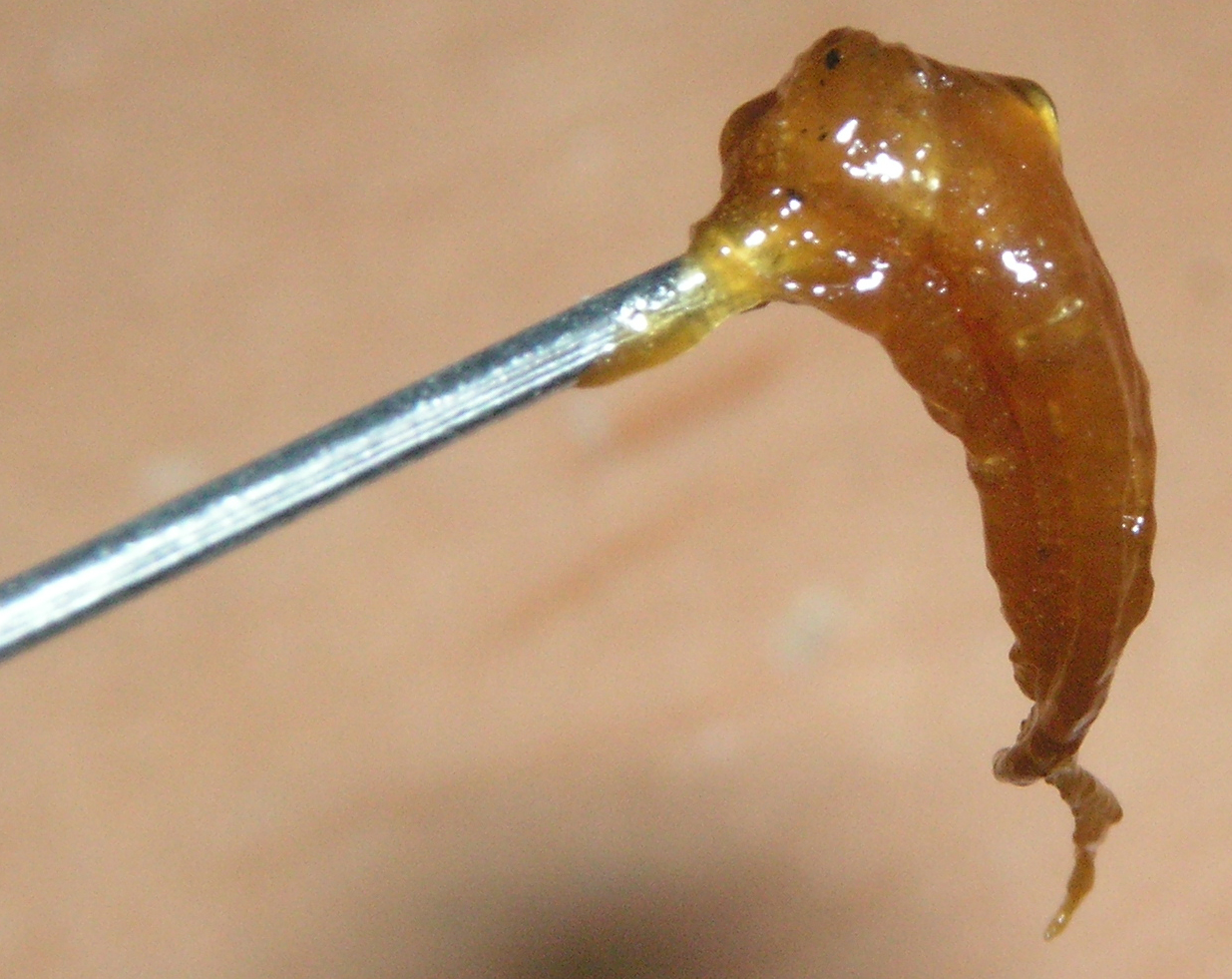
Photo: Derek Jensen ("Tysto"), public domain, via Wikimedia Commons
Key takeaways
- •For most healthy adults, taking too much THC is intensely uncomfortable but temporary and not medically dangerous — the effects wear off, typically within a few hours for inhaled methods and up to several more for edibles.
- •The most evidence-backed responses are simple: find a calm, familiar space, remind yourself it will pass, stay hydrated, and try slow breathing to bring anxiety down.
- •CBD (as a product, or CBD-rich flower/oil) is a commonly reported way to blunt an overwhelming THC high, though it isn't guaranteed to work for everyone and isn't a rigorously proven antidote.
- •Seek medical attention if someone shows signs beyond a typical uncomfortable high — chest pain, repeated vomiting, difficulty breathing, confusion that doesn't resolve, or if a child or pet has ingested cannabis accidentally.
Taking more THC than you intended is one of the most common uncomfortable cannabis experiences, and it's worth saying plainly upfront: for the overwhelming majority of otherwise healthy adults, it is not medically dangerous, even though it can feel alarming in the moment. There is no recorded evidence of a fatal THC overdose from cannabis alone. The common symptoms — racing heart, anxiety or paranoia, dizziness, nausea, and a sense that time is moving strangely — are intensely unpleasant but temporary, and they resolve as the body processes the THC.
The most effective first response is also the simplest: get to a calm, familiar, low-stimulation environment, ideally with a person you trust nearby, and remind yourself — out loud if it helps — that this is temporary and will pass. Anxiety and paranoia feed on themselves, and a large part of what makes being too high frightening is the fear response itself rather than any physical danger. Slow, deliberate breathing (a long exhale in particular) can help bring a racing heart rate and rising panic back down.
Practically: sipping water helps with dry mouth and general discomfort, though it won't speed up how fast THC clears your system. Lying down in a comfortable position can ease dizziness. Some people find a distraction — music, a familiar show, a specific and simple task — more helpful than sitting with the discomfort. One widely reported (though not rigorously proven in controlled studies) folk remedy is chewing on black peppercorns, based on the idea that a terpene they share with cannabis, beta-caryophyllene, may help moderate the effect; it's low-risk to try but shouldn't be relied on as a guaranteed fix. CBD, whether as an isolated product or CBD-rich flower, is another commonly reported way people try to take the edge off an overwhelming THC high, though evidence for how reliably it works is still limited.
What you shouldn't do: don't drive or operate machinery until you're clearly back to normal, don't mix in alcohol or other substances trying to "fix" the feeling, and don't panic about the anxiety itself — expecting some discomfort and knowing it's temporary measurably helps. Seek medical attention if symptoms go beyond a typical uncomfortable high: chest pain, a racing heart that doesn't settle, repeated vomiting, confusion that isn't resolving, or any loss of consciousness. Always seek immediate medical help for a child or pet who has accidentally ingested cannabis, since the risk profile and appropriate response are different from an adult who intentionally consumed.
This is general educational information, not medical advice. Effects vary by person, product, and dose — check local law, and talk to a doctor or licensed budtender for guidance specific to you.