Business
New York's weed market just posted its best August yet — on cheaper prices, not fewer sales
August revenue hit $165.76 million and the year is tracking 17% ahead of 2025, even as average item prices kept falling.
By The Crushed Desk · 6d ago · 5 min read
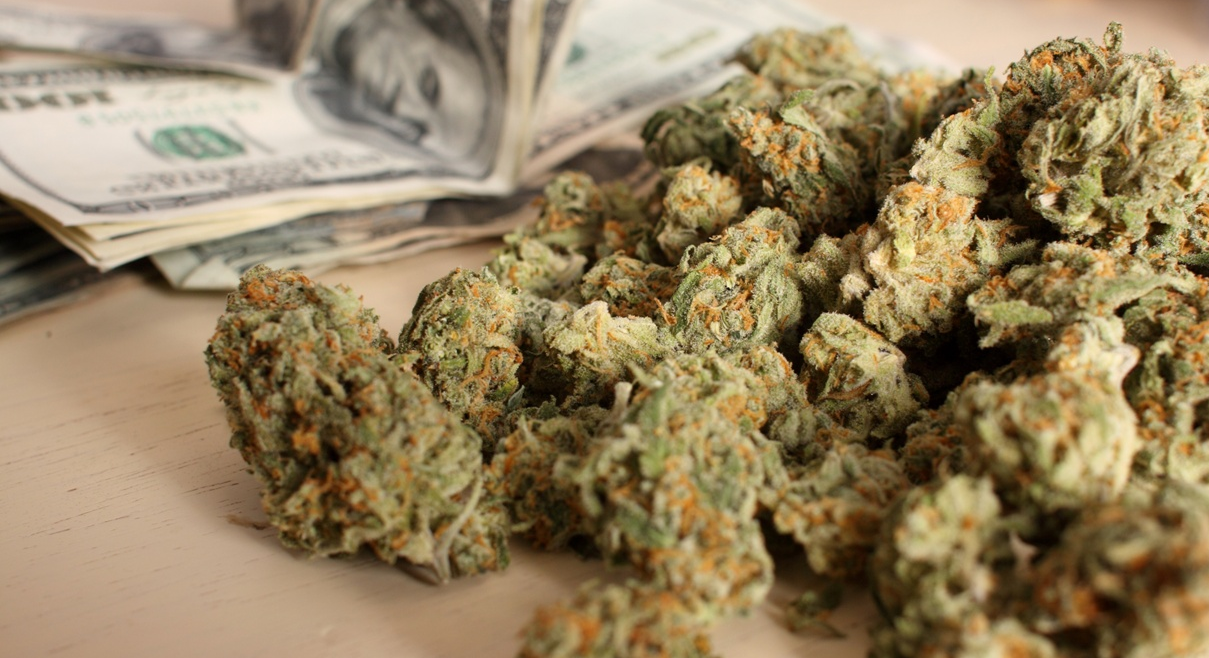
Photo: The Marijuana Herald
New York's legal cannabis market pulled in $165.76 million in August, according to commercial estimates from market analytics firm Headset, pushing the state's 2026 year-to-date total to roughly $1.22 billion — about 17% ahead of the same eight months in 2025. That keeps New York the third-largest tracked state market, behind California and Michigan and ahead of Illinois, New Jersey, Washington and Arizona.
The growth is coming almost entirely from volume, not price. Unit sales rose 16.5% year-over-year in August, while the average item price fell to $29.05 from $31.80 a year earlier — the same price-compression pattern showing up in Massachusetts and most other maturing state markets this year. Flower led category sales at $54.72 million, followed by vapor pens at $42.34 million and pre-rolls at $38.66 million; concentrates posted the fastest growth of any category, up 25.3% year-over-year.
For a market that spent its first few years defined by illicit-market competition and licensing delays, double-digit unit growth alongside falling prices is a sign the legal side is actually winning on volume — consumers are buying more from licensed shops, they're just paying less per purchase.
The math cuts both ways for operators: more foot traffic and more baskets, but thinner margin per item, which puts the pressure back on cost control and category mix rather than headline sales growth. Retailers leaning into concentrates' 25% growth rate have a real tailwind; anyone still built around flower-only margins is fighting the price trend, not riding it.
Crushed is the home base for cannabis culture: creators, news, local drops, and the data behind the market.